Pia Fries

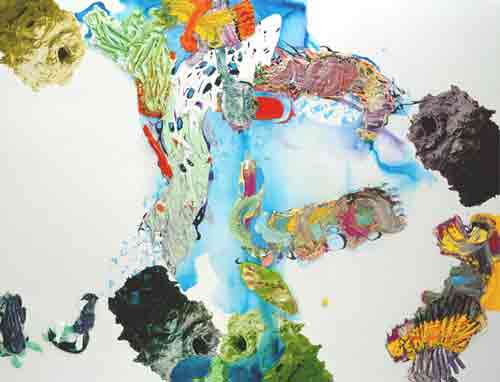
Capsian 2001-2002

Pia Fries was born 6th October 1955 and is a swiss abstract painter.She was born in Beromunster Switzerland and studied sculpture in Lucerne in 1980, and painted under Gerhard Richter at the Kunstaka Dusseldorf in 1986.She lives and works in Dusseldorf in Munich.

Fries uses a wide variation of colours and textures onto wood panel primed with 6 or 7 layers.Her paintings are described as sophisticated yet energetic.The surface must be ridged for the process she uses.Her paintings also merge between painting/and or sculpture due to the techniques she uses.

Dana Friis-Hansen summarizes Pia Fries’ work in a comprehensive review: “Pia Fries is one of an emerging generation of painters whose work results from a conceptual and aesthetic wrestling match modernist painting, the dominant artistic expression of the twentieth century.’

For a few years Fries has taken on an interest in the work of Dutch draughtsman a,painter and engraver Hendrick Goltzius (1558-1617) one of the leading engravers of the early Notrherm Mannerisms period.She has decided to focus on two of his series ‘The Four Disgracers’ which delves into Greek mythology and the falls of Icarus,Tantalus.Ixion and Phaeton and ‘The Standard Bearers’.Both of these series are known for their technical elements and incredible compostions of which parts of this are reflected in Fries own work.

Beringer 2002

Adrian Heath

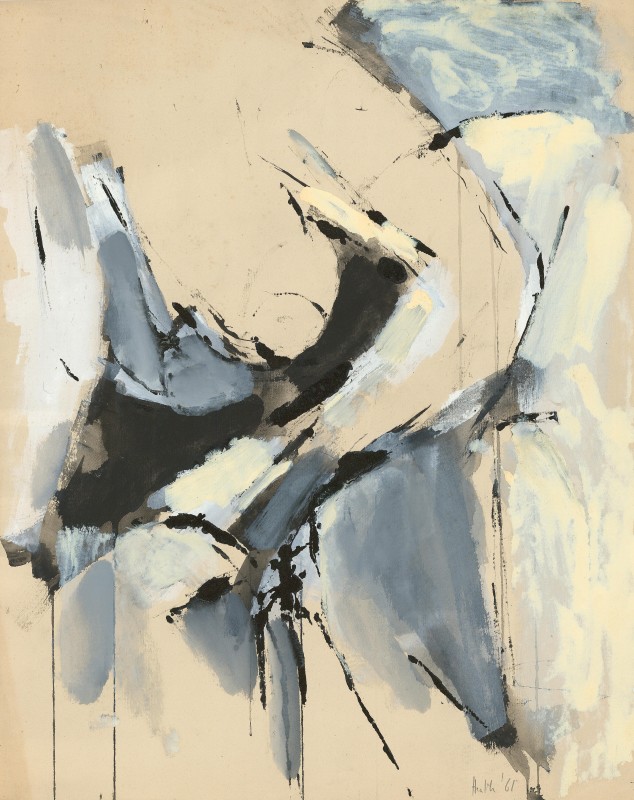
(Untitled 1961)
Study for Melbourne painting (Corsham)

Adrian heath was born 1920-1992 and was a British painter. He painted abstract and semi abstract pictures in oils and acrylics. He was also a collagist and constructivist

He was born in Burma and attended Bryanston school in Dorset, southern England.1938 he studied art under Stanhope Thorpes at Newlyn. In 1939 and 1945-47 he attended the Slade school of art. Heath served in the RAF as a tail gunner in Lancaster Bombers in WWII but spent almost the entire war as a prisoner of war.

The war was a big influence on heaths work and and his idealisims were felt and shared by an entire generation of post war abstract artists working in England. Ben  Nicholson and Barbara Hepworth were also huge influences.

Heath published an essay on Abstract Art: its origin and meaning in 1953. He was chairman of the politically idealist AIA (Artists International Association) from 1954 to 1964 and served on the Arts Council’s advisory art panel from 1964 to 1967.

He helped to organise the first post-war show of abstract art at the AIA gallery in 1951 The idea of the collective of art work was to give way to a better world.His work strayed away from descriptive detail and focused more on light, colour, texture and balanced structure.

In the early 1950’s he was associated with Victor Pasmore and Antony Hill. Due to this he became the main link between the emerging St Ives school and British constructivism. He was also influenced by D’Arcy Thompson.

Body (blood sweat and tears)

Image from ‘Im too sad to tell you’

Body,blood sweat and tears

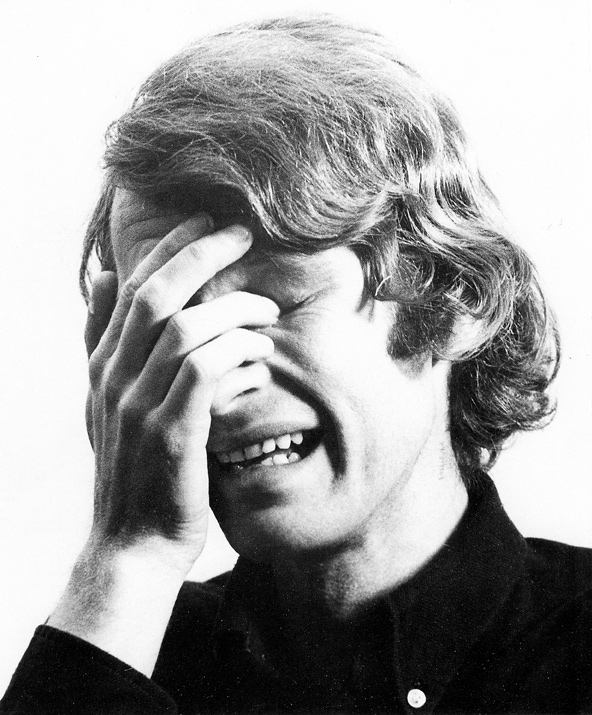
’I’m too sad to tell you’ by Bas Jan Ader.I find this piece quite unsettling.Not due to the fact that it is a male crying but due to the fact that I feel like it’s a private moment that us,the audience are sat in on.You want to stop watching, but almost like car crash television you can’t.I feel that this piece would of been very controversial for its era.As men were told not to cry, otherwise it would destroy their image of masculinity.And I personally think that the artist wanted to raise awareness of this issue and get the message across of how every man cries and how it is acceptable to cry.But in this era,personally I don’t feel like it’s nothing new as men are free to express their emotions whether they want to or not.So I feel like the value of this message was a lot more important and stronger back then than it is now.

Born 19th April 1942-disappeared 1975 Ader was a Dutch performance and conceptual artist as well as photographer.Due to the nature of his work it was often presented as photographs and films.He made performative installations.

Ader was lost at sea in 1975 after attempting to cross the Atlantic Ocean from the American cost to England.Altho the boat was later found off the coast of Ireland in 1976 it is still unknown what happened to Ader.

Ader was a conceptual artist whose works mostly came to fame in the 70 ‘s.He is mostly known for photography,film,video, performance and installation.

Other associated artists of this movement during that era include: Joseph Beuys,Bruce Mclean and Gilbert and George amongst many others

Resources : https://en.wikipedia.org/wiki/Bas_Jan_Ader

https://www.tate.org.uk/art/art-terms/c/conceptual-art

Sour Sop @ Embassy Gallery

Last night I attended a night of performance art from Embassy members.

Each act was strong and powerful in it’s own way and touched upon a variety of subjects from race,gender and queerness to what we are mediocre at.

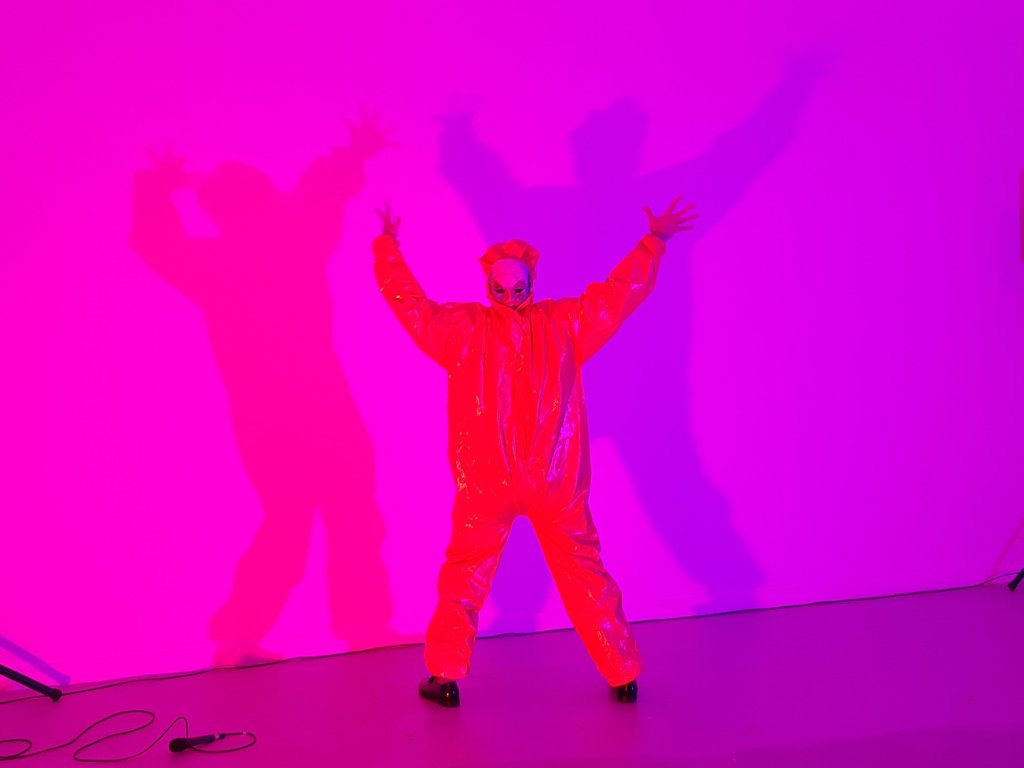
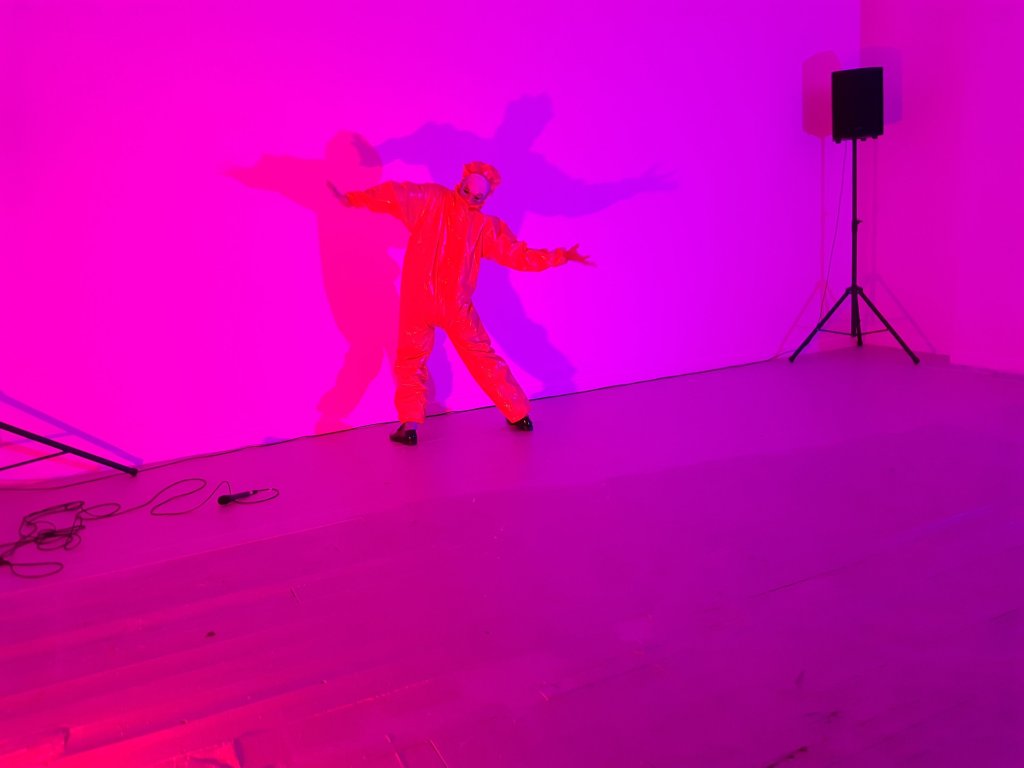
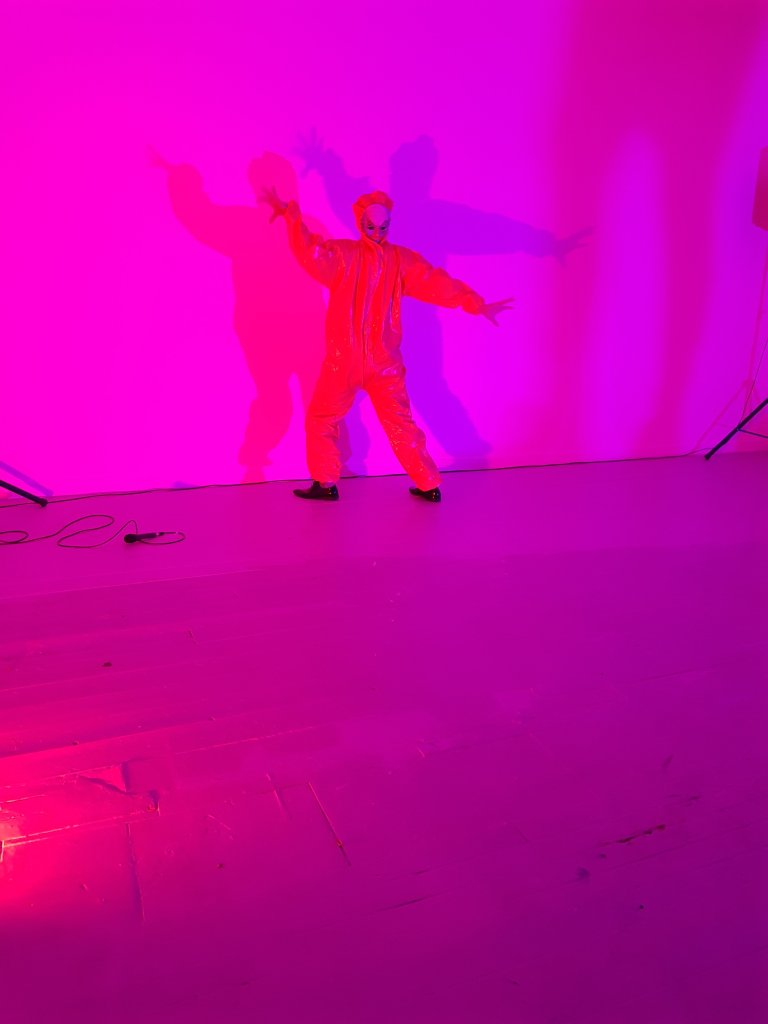
I felt that each performance desired a reaction from the audience whether it be that of outright shock/horror or the want to engage with the performance itself.Some performances engaged with the audience and made you part of the act.Such as a particular favourite of mine the act ‘Harbinger’ by Martina Morger and Wassili Widmer. It was a performance which I felt everyone could resonate with as it was about the monster in all of us. The word ‘Harbinger’ means a person or thing that announces or signals the approach of another.

We are asked within this performance as to how we see the world.We are also asked to re-evaluate our cultural assumptions about race,gender and sexuality.Our perception of difference and our tolerance towards it’s expression.We are asked to question why we have created them and if fear of the monster is really a kind of desire.

I liked the fluidity of the movement of the female character and how she engaged with the audience crawling amongst them like a monster and whispering in there ears to shake her hand in 3 seconds time.The interaction between herself and the main monster character was interesting as they mimicked each others moves whilst the female character wore a painted face mask made of cloth.I also liked the use of light which created two shadows of the monster and due to the angle of the light the shadow cast two different images.

What made this performance stand out from the rest was how audience engaging it was making you feel alert and involved and a present part of the performance.

https://drive.google.com/open?id=14D8aaAGqyauLVu2nh-M3WU4zFbx925En

#daytoday 2D

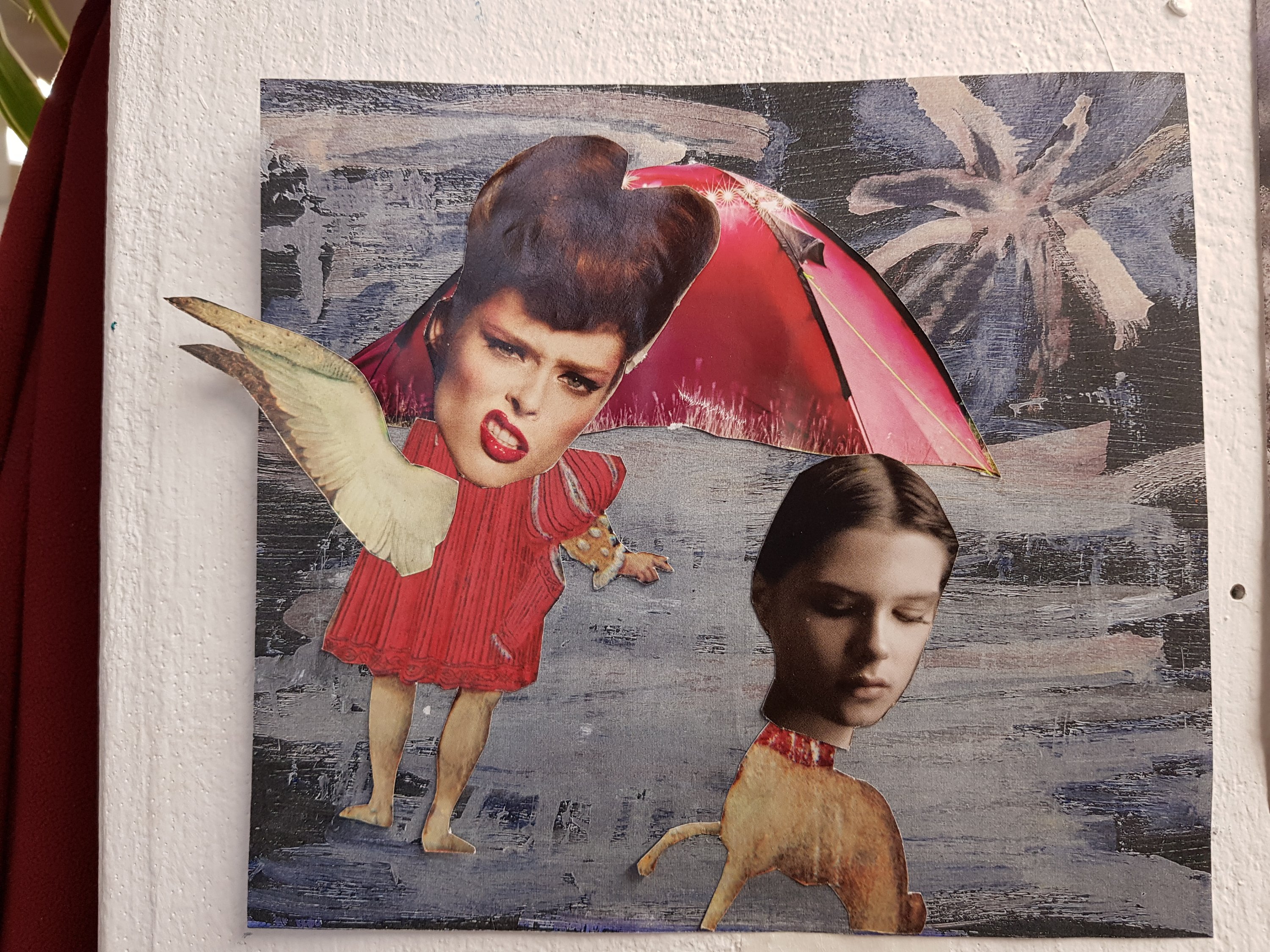
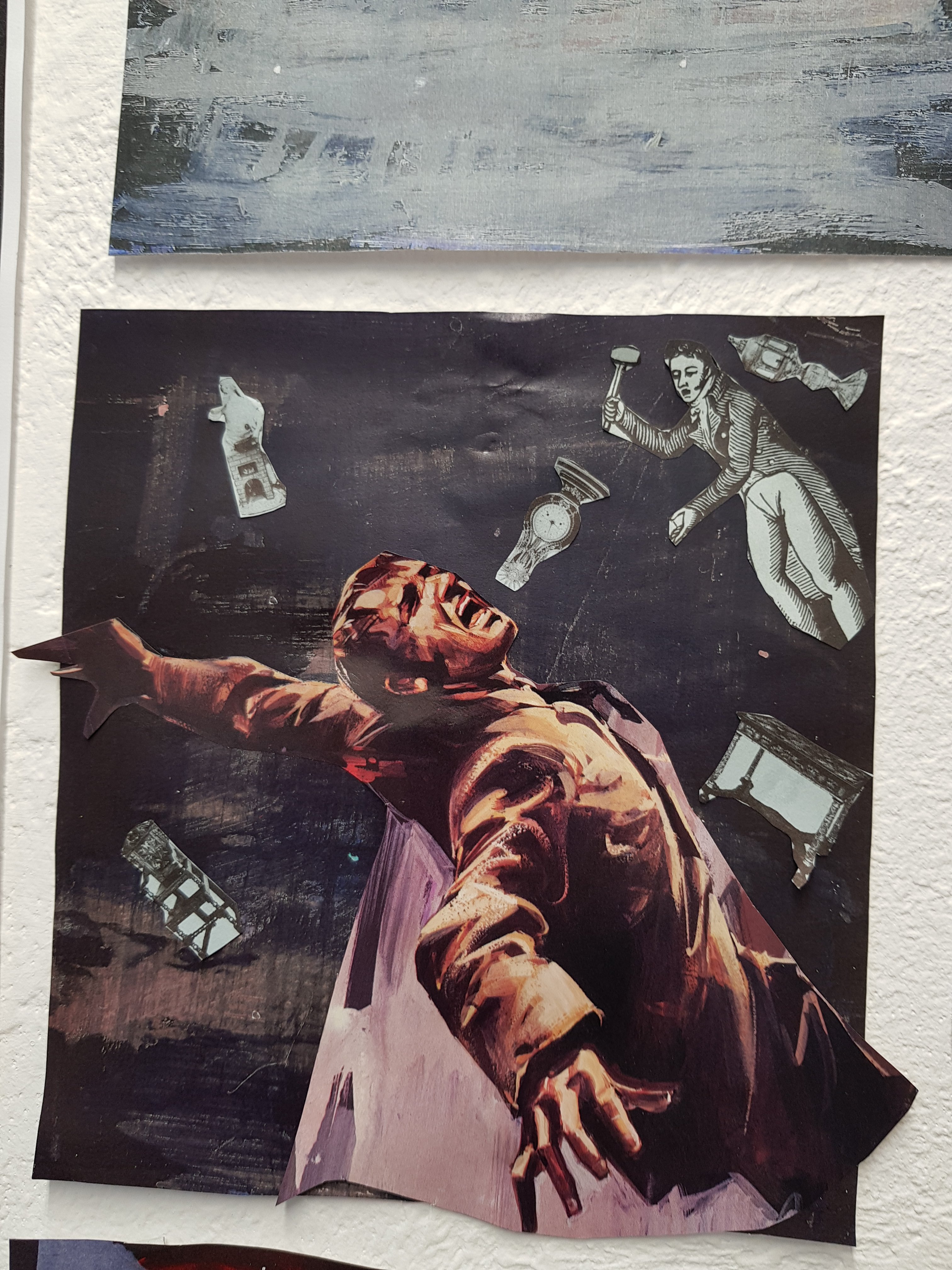
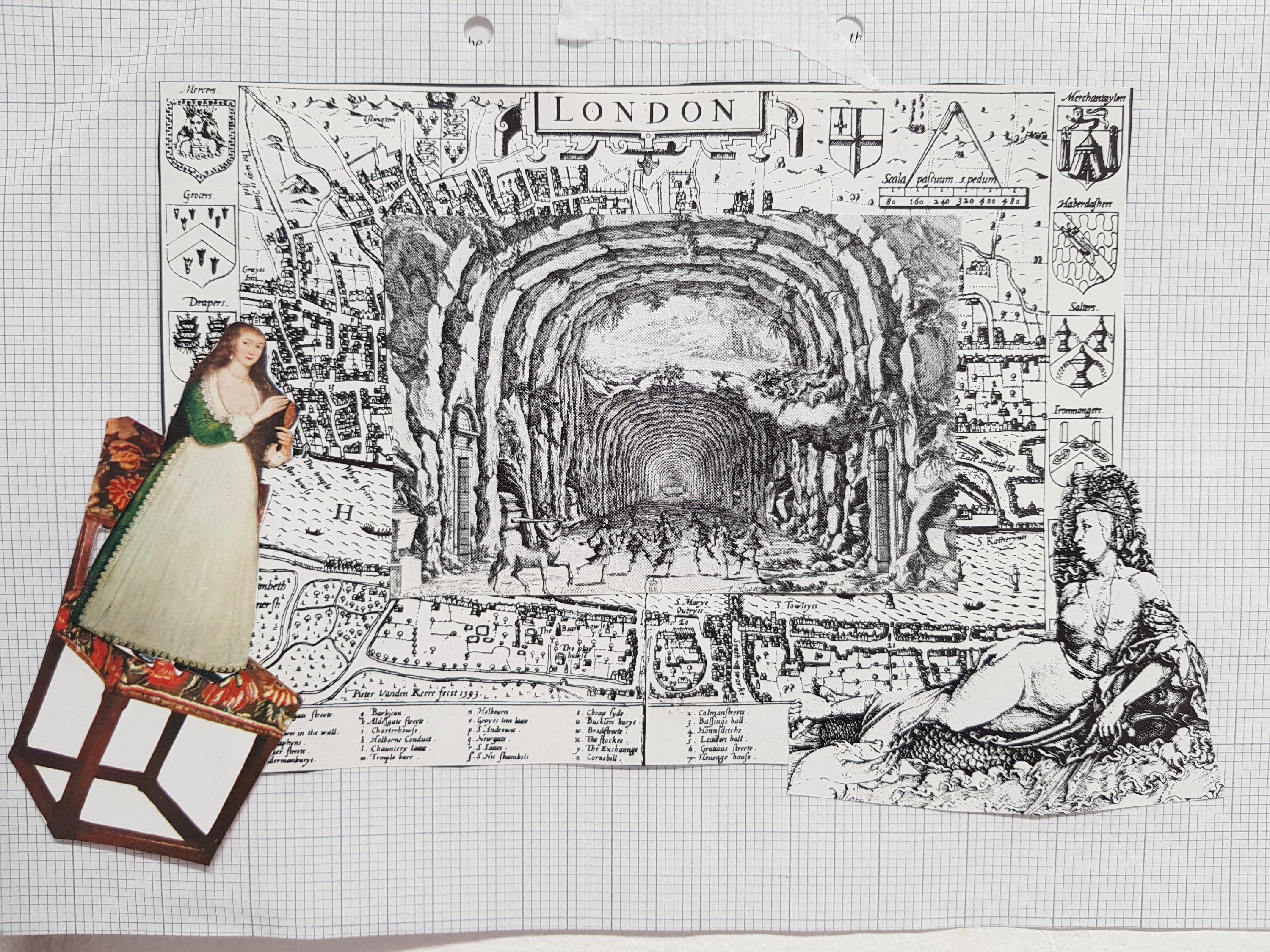
Today I continued with collage.

In the image of the woman and the half human/half dog I wanted to examine how a lot of homeless people aren’t allowed to have accommodation due to having a dog but are offered dogs by adoption charity’s in order to keep them company on the streets.Having a dog is often detrimental to a lot of homeless peoples physical and mental well being.

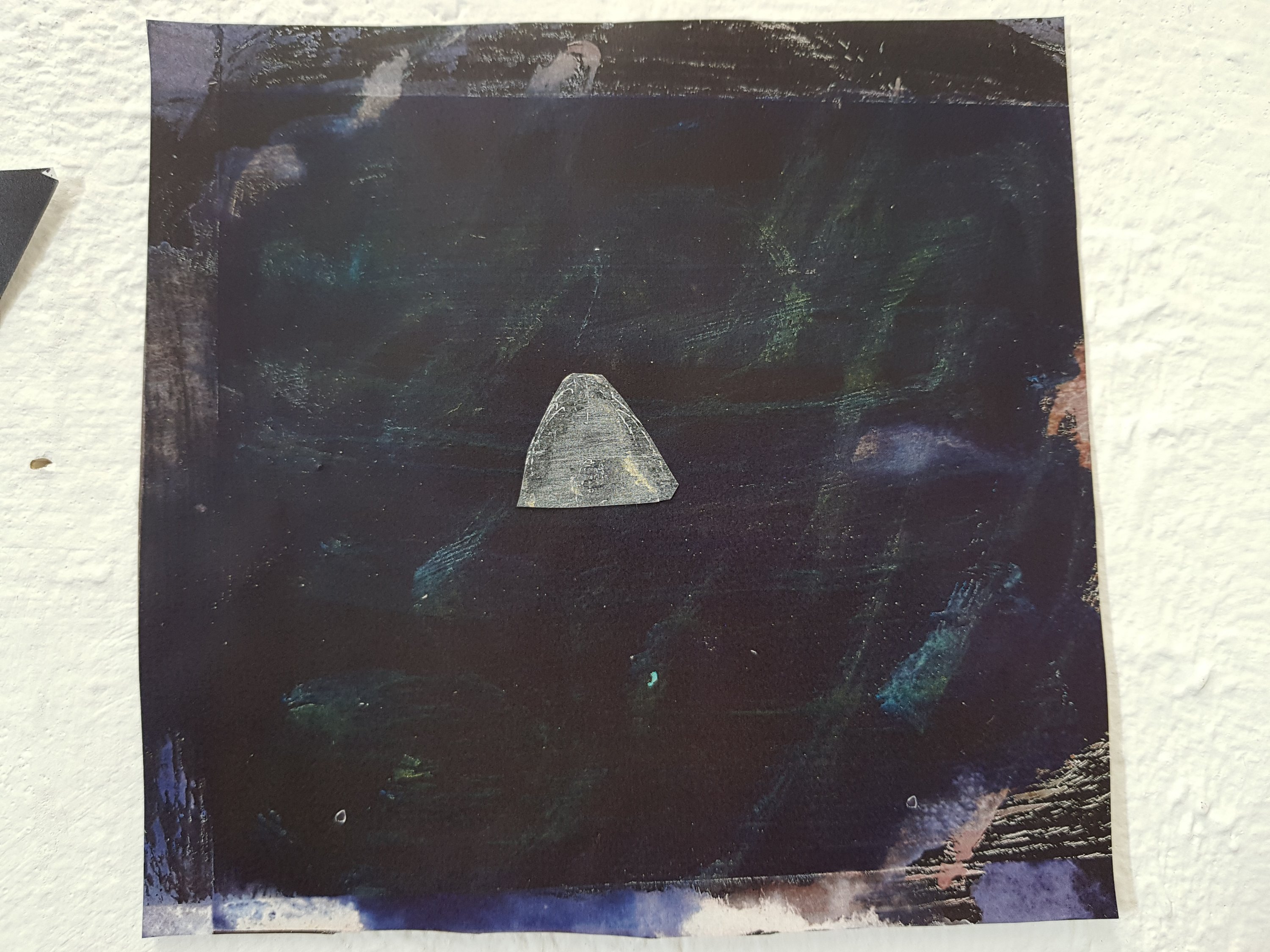
I also wanted to explore more abstract forms and continue with the void/space like theme mixed in with capitalism.

#daytoday 2D

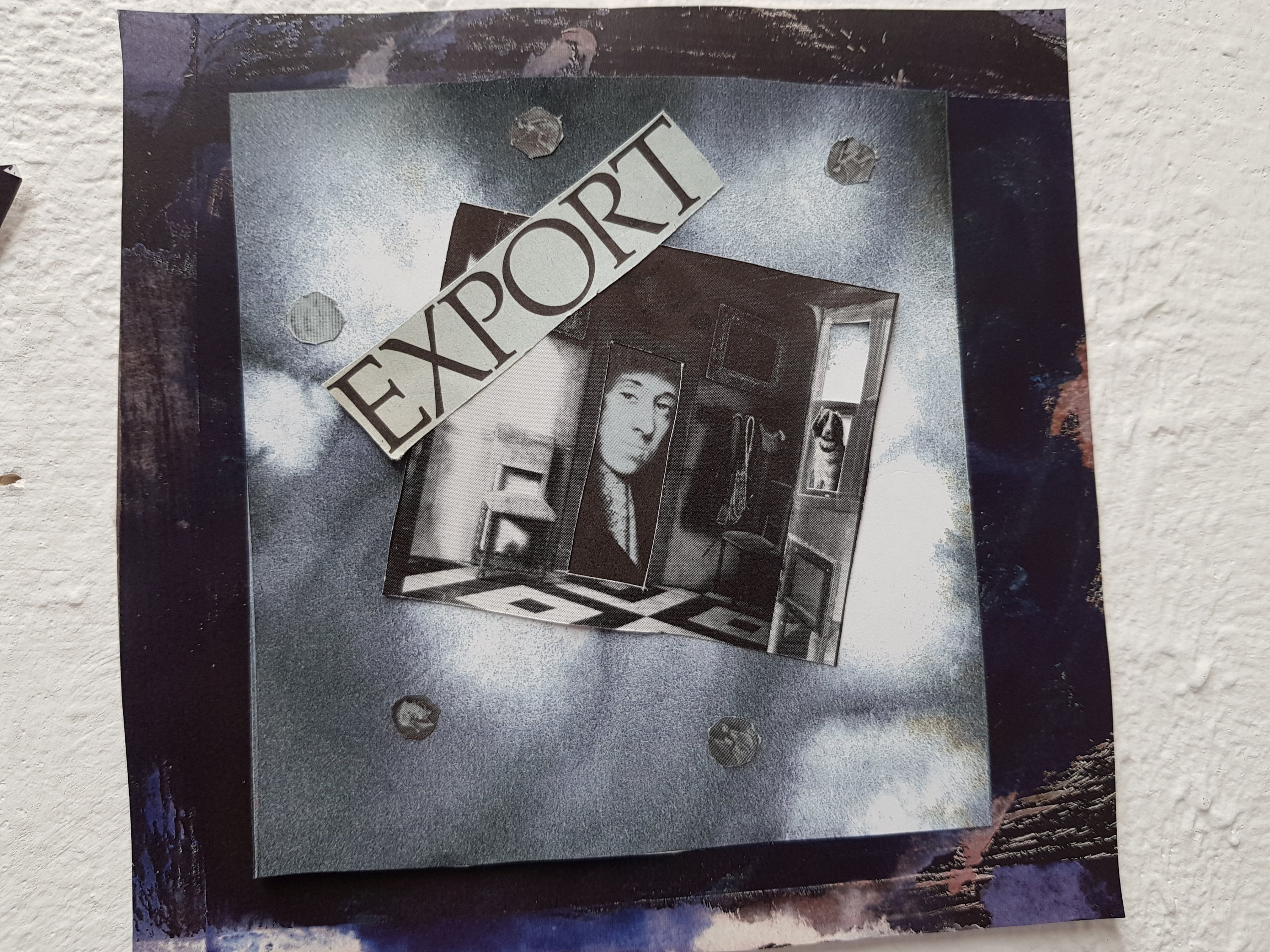
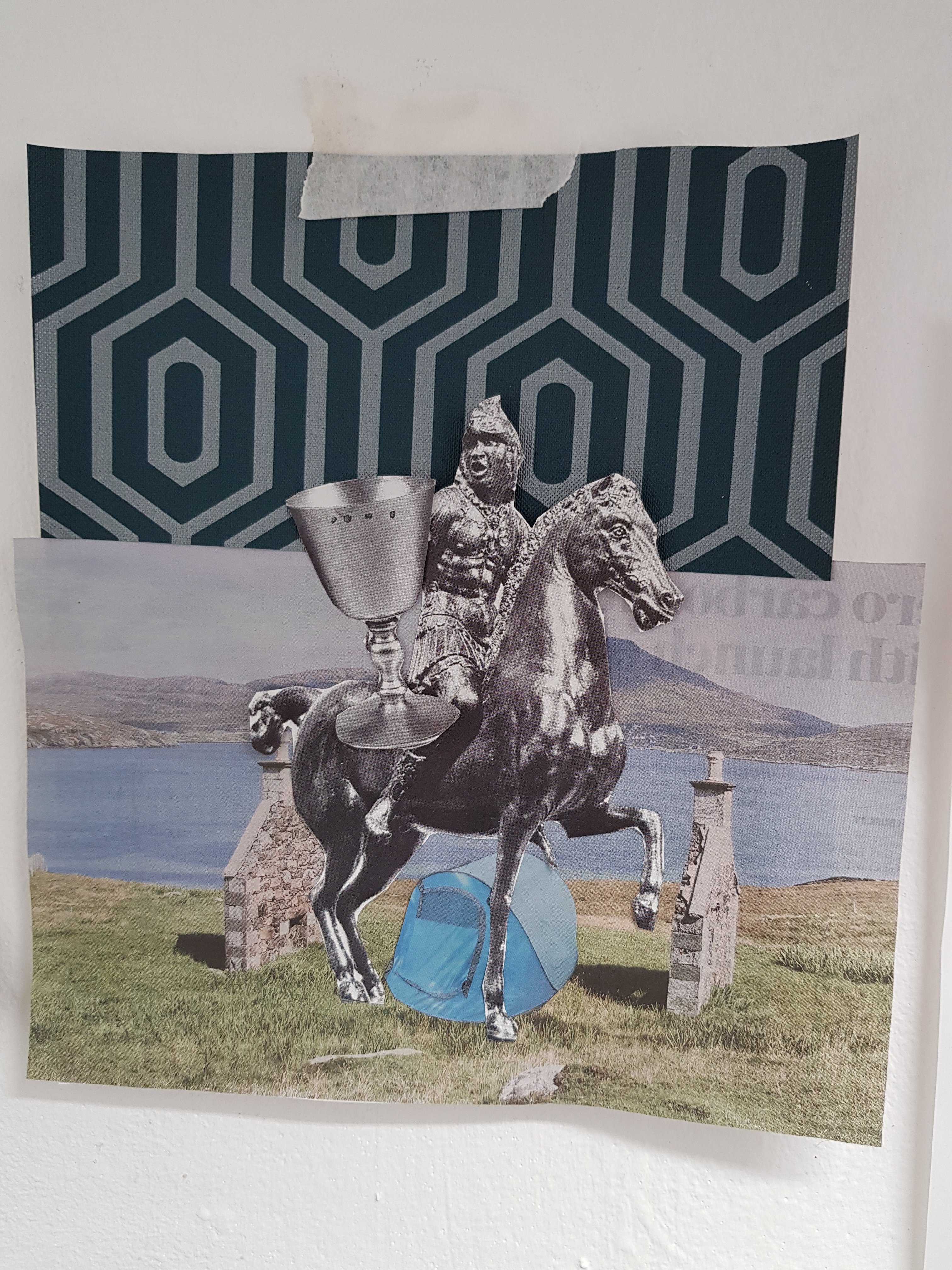
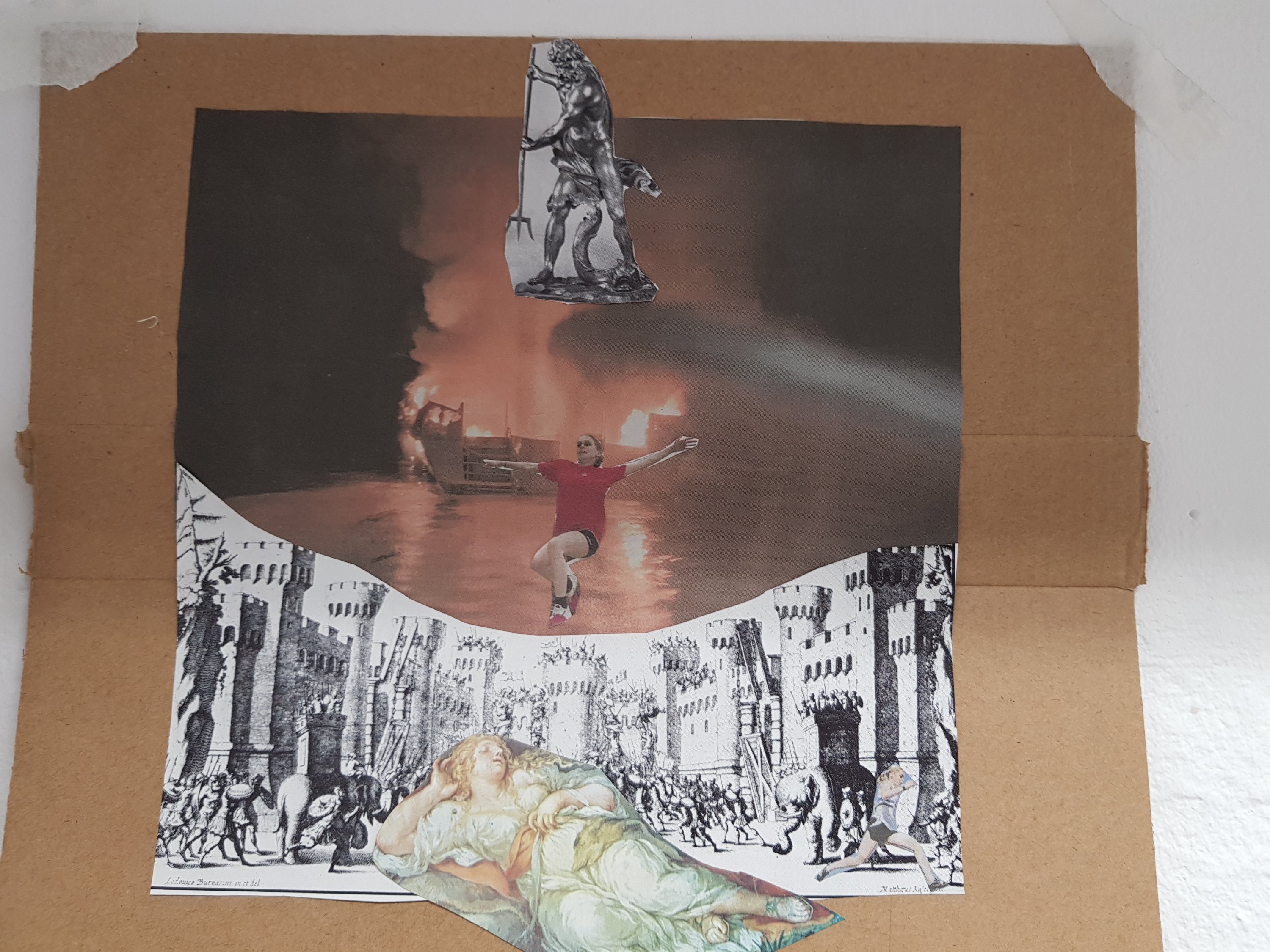
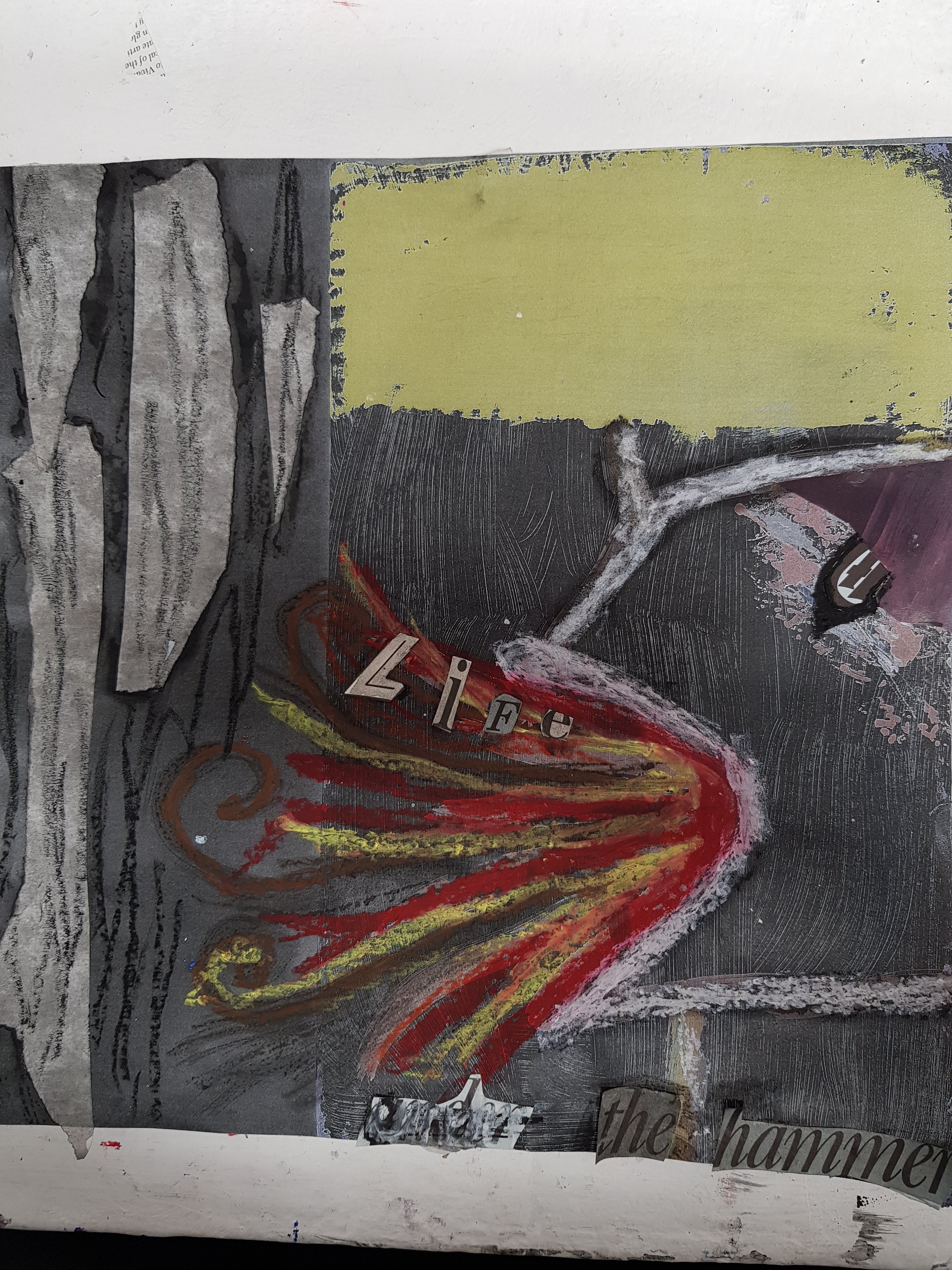
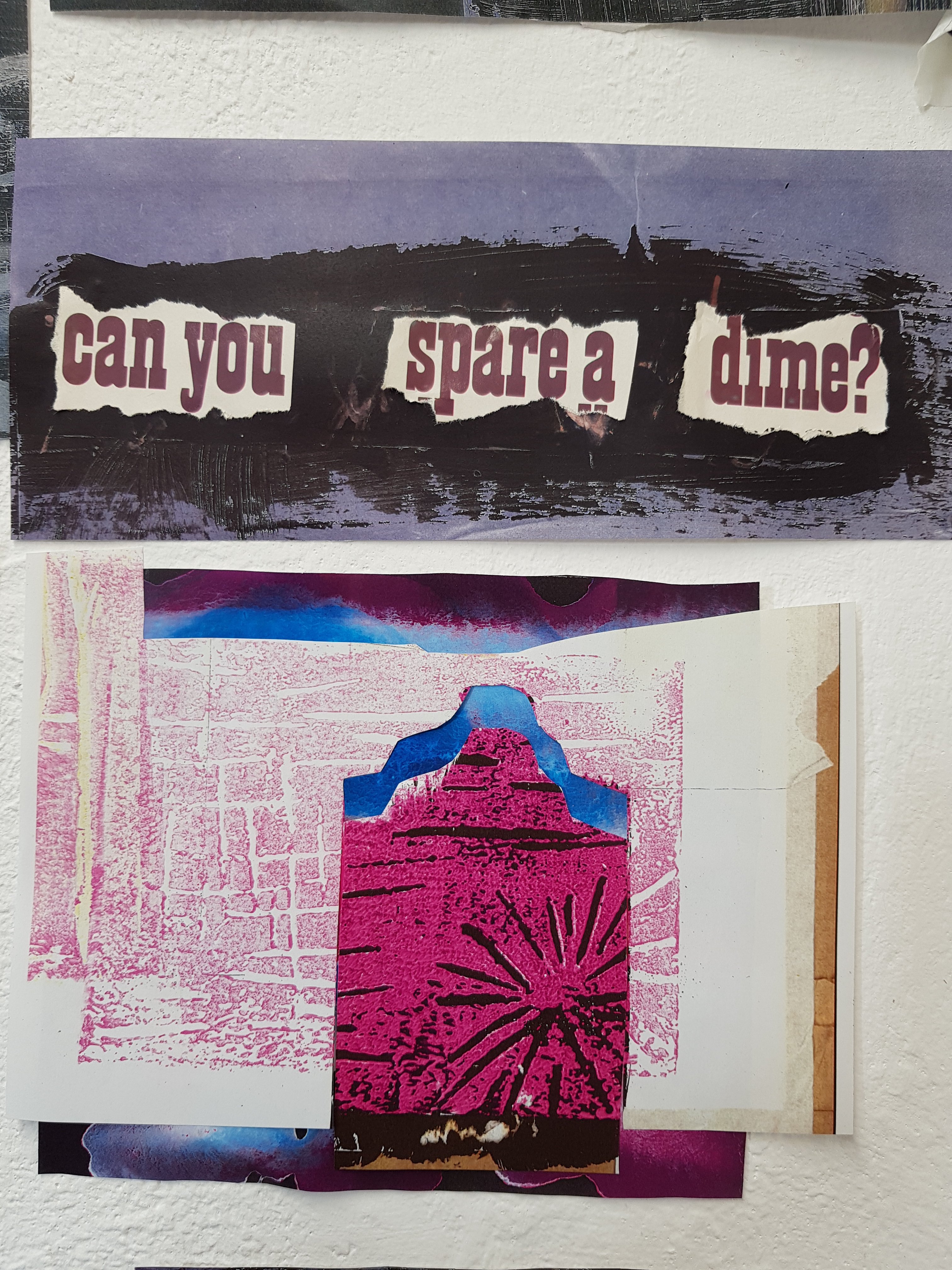
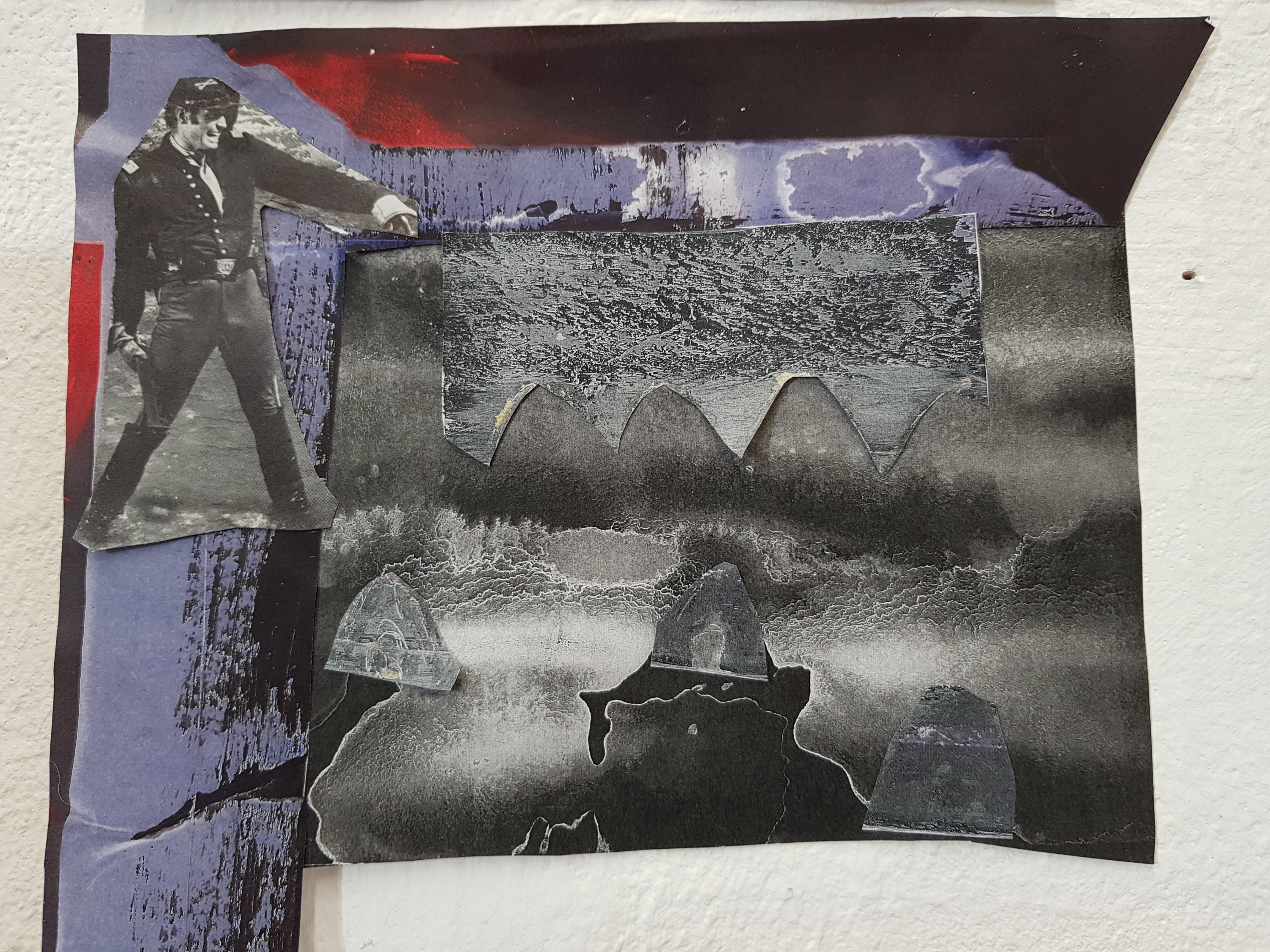
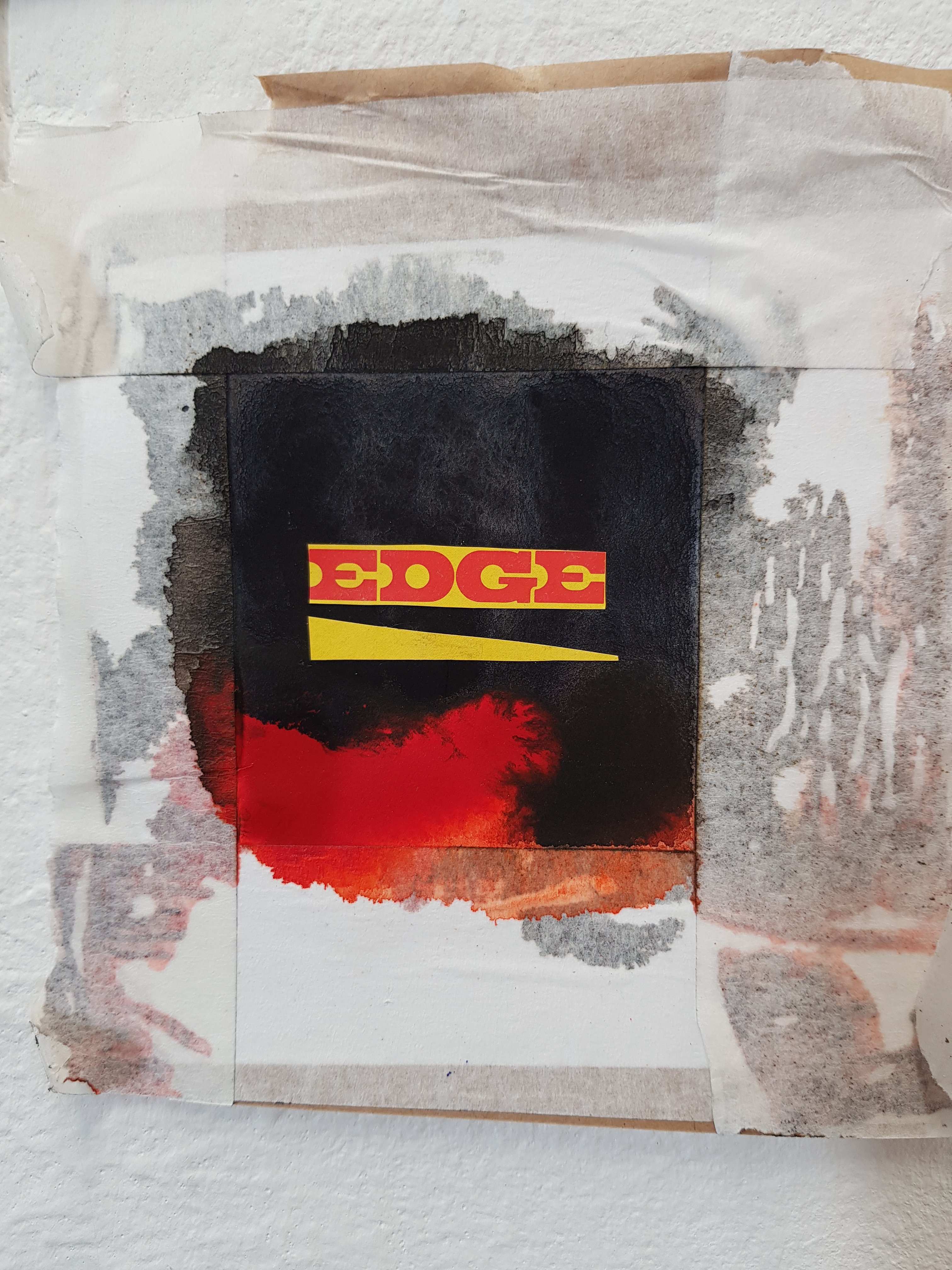
Some collages I have been working on exploring the theme of ‘eviction’ and the void that comes from that in terms of feelings/emotion and that person having a place in society.

I also explored capitalism and the effect that has on homlessness.

I was lucky enough to discover some old magazines which worked well with my project and contrasted nicely against newer images from newspapers/magazines. I used images I had photocopied from paintings and worked on top of those as it was good to see the transition and development of these particular pieces.

Luc Tuymans

Tuymans was born in Antwerp, Belgium in 1958 and died Sep 26th 2004.

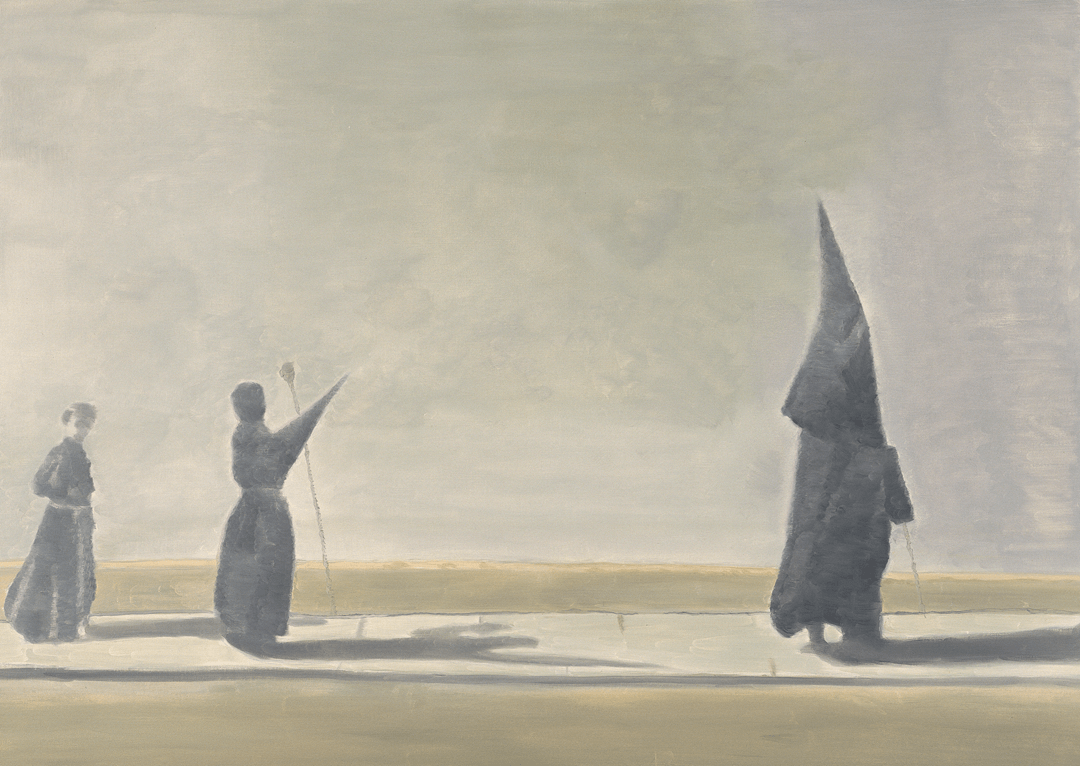
He began studying fine art in 1976. He concentrated on painting but in the early 1980s he lost faith in the medium and gave up for two years. During this time he worked as a film-maker, and when he returned to painting in the mid-1980s, he introduced new techniques such as cropping, close-ups, framing and sequencing, which remain as important elements of his work today.

The subject of his works vary from major historical events, such as the Holocaust or the politics of the Belgian Congo, to wallpaper patterns, Christmas decorations, everyday objects There are also paintings based on abstract emotional states, titled ‘Embitterment’ or ‘Insomnia’, which hint towards philosophical responses to the human condition.

Tucmans paintings are so varied that they deliberately avoid being able to be catorgorised. Events and ideas are not overly expressed but done so in a very subtle manner through hints and allusion creating a double meaning behind his work using a collage of disconnected fragments and details.

Tuyman showed this approach when exhibiting at the Tate Modern. He choose to hang individual paintings from different works connecting different images from different stages in his career.

This was due to Tuymans belief that representation is subjective and meaning must be pieced together like memories through isolated fragments.

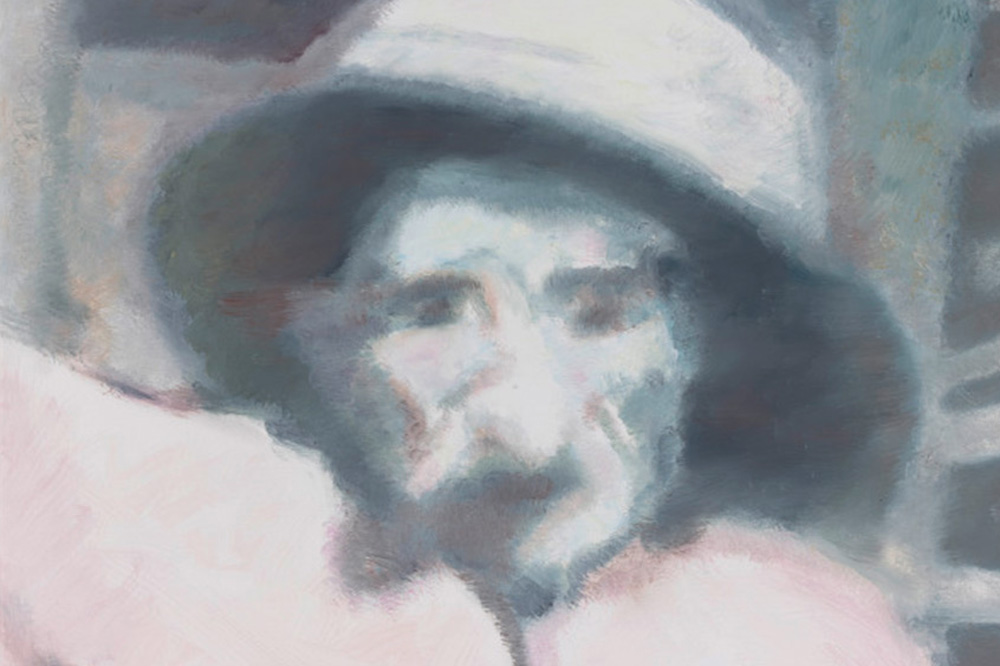
Issei Sagawa, 2014 Fragments of cold colours and tone piece together a ghostly image of a males face.
‘Easter’ 2006
‘Panel’ 2010
‘Speech’ 2010

#daytoday 2D

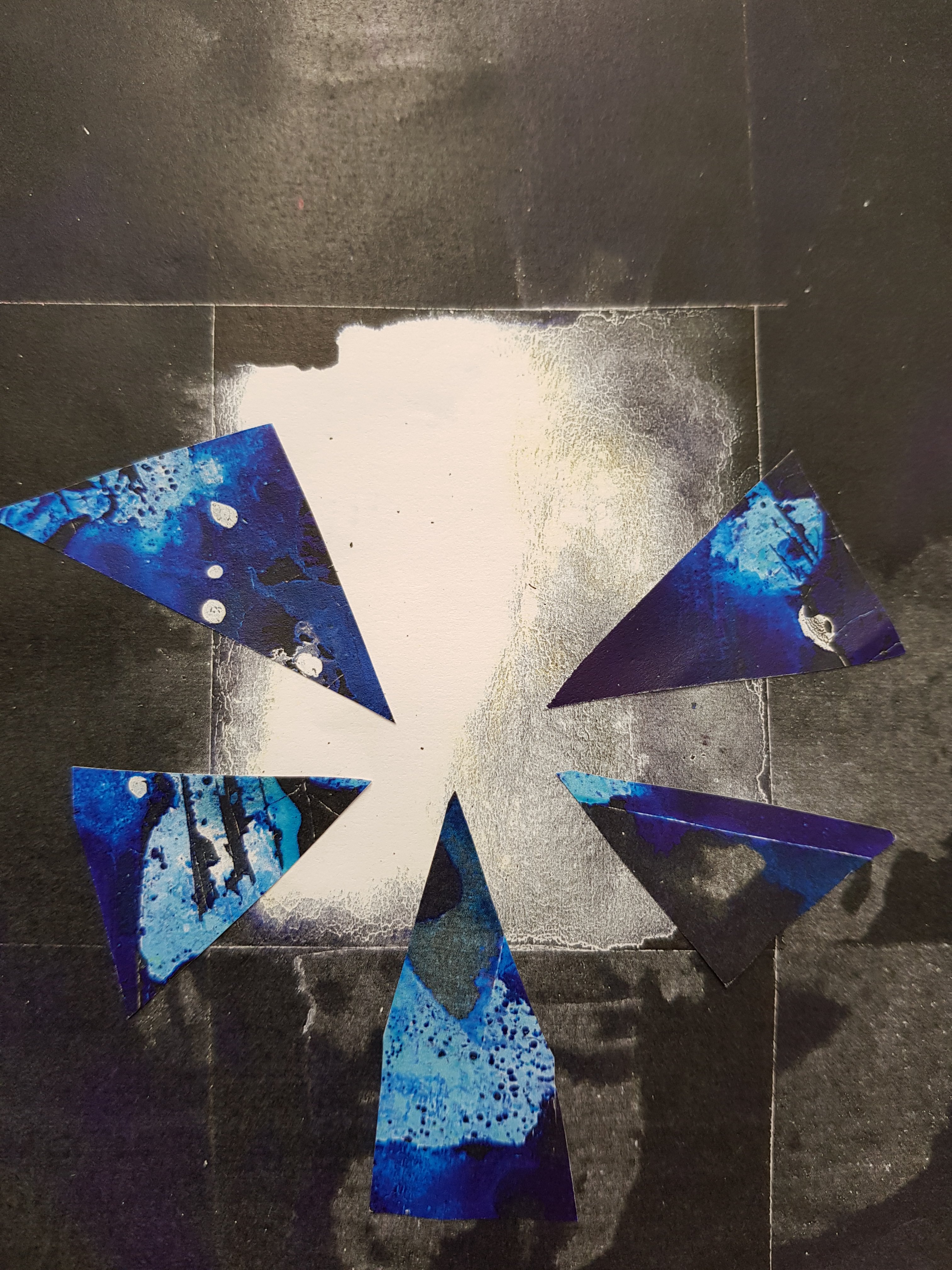
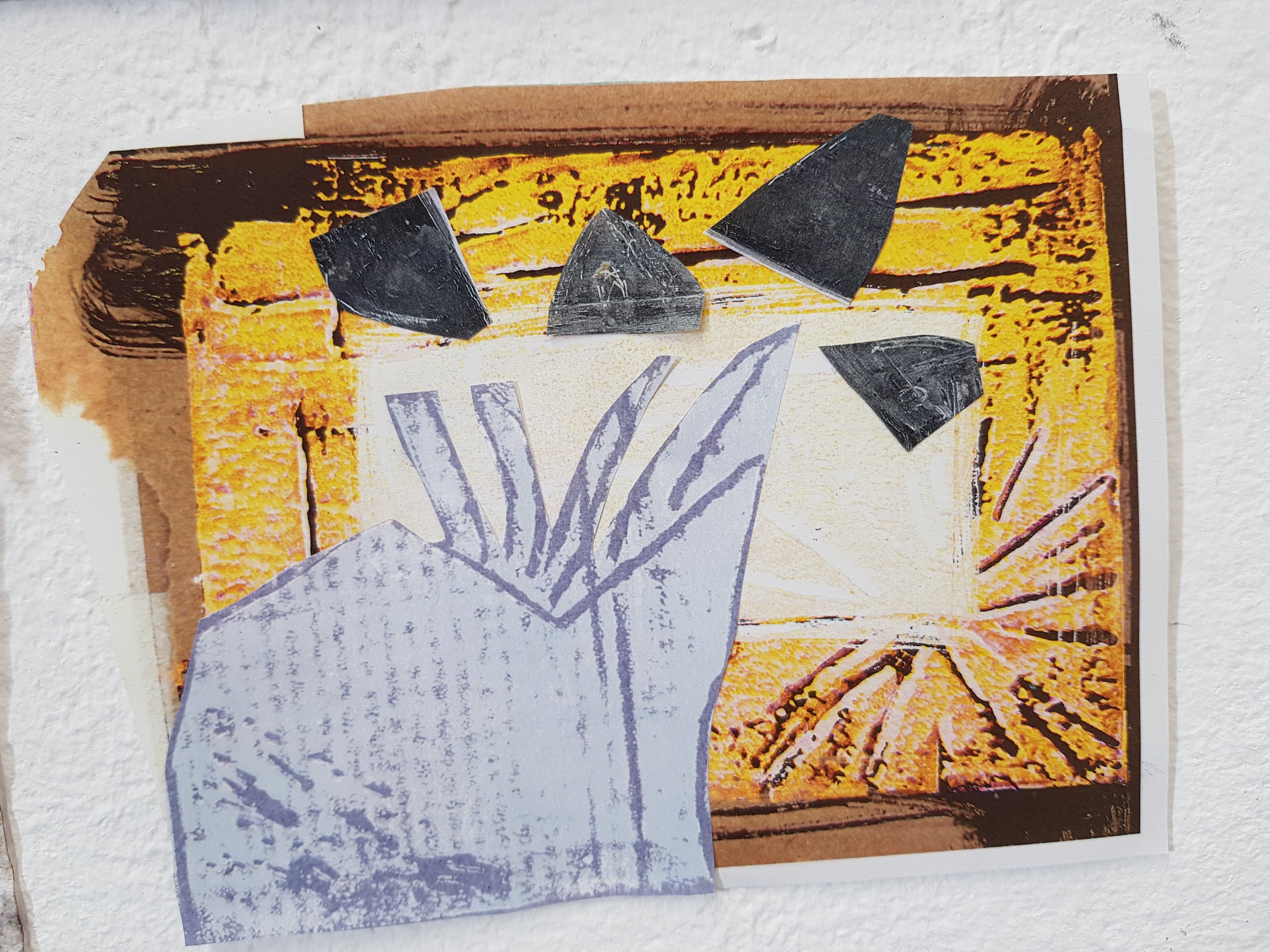
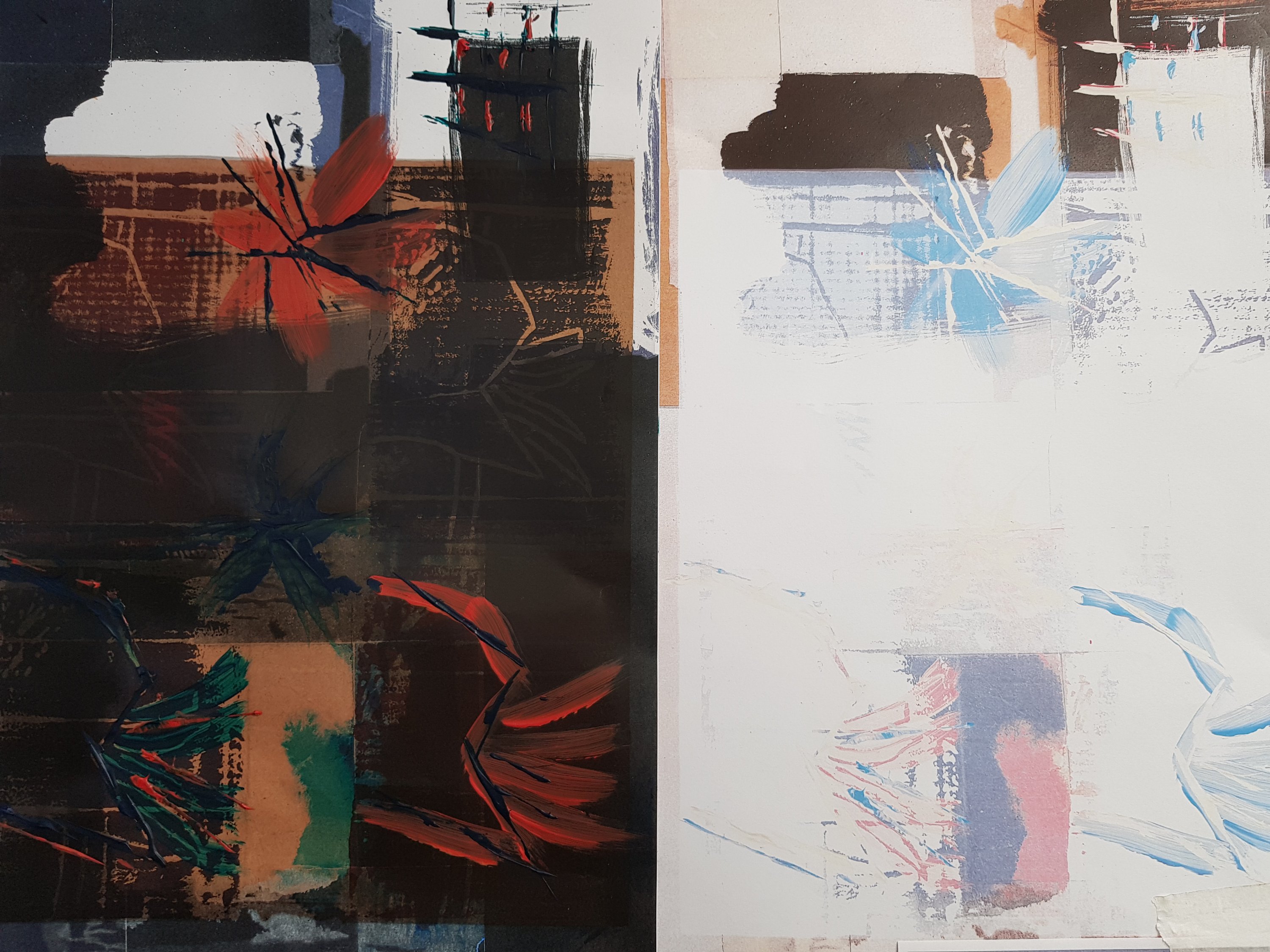
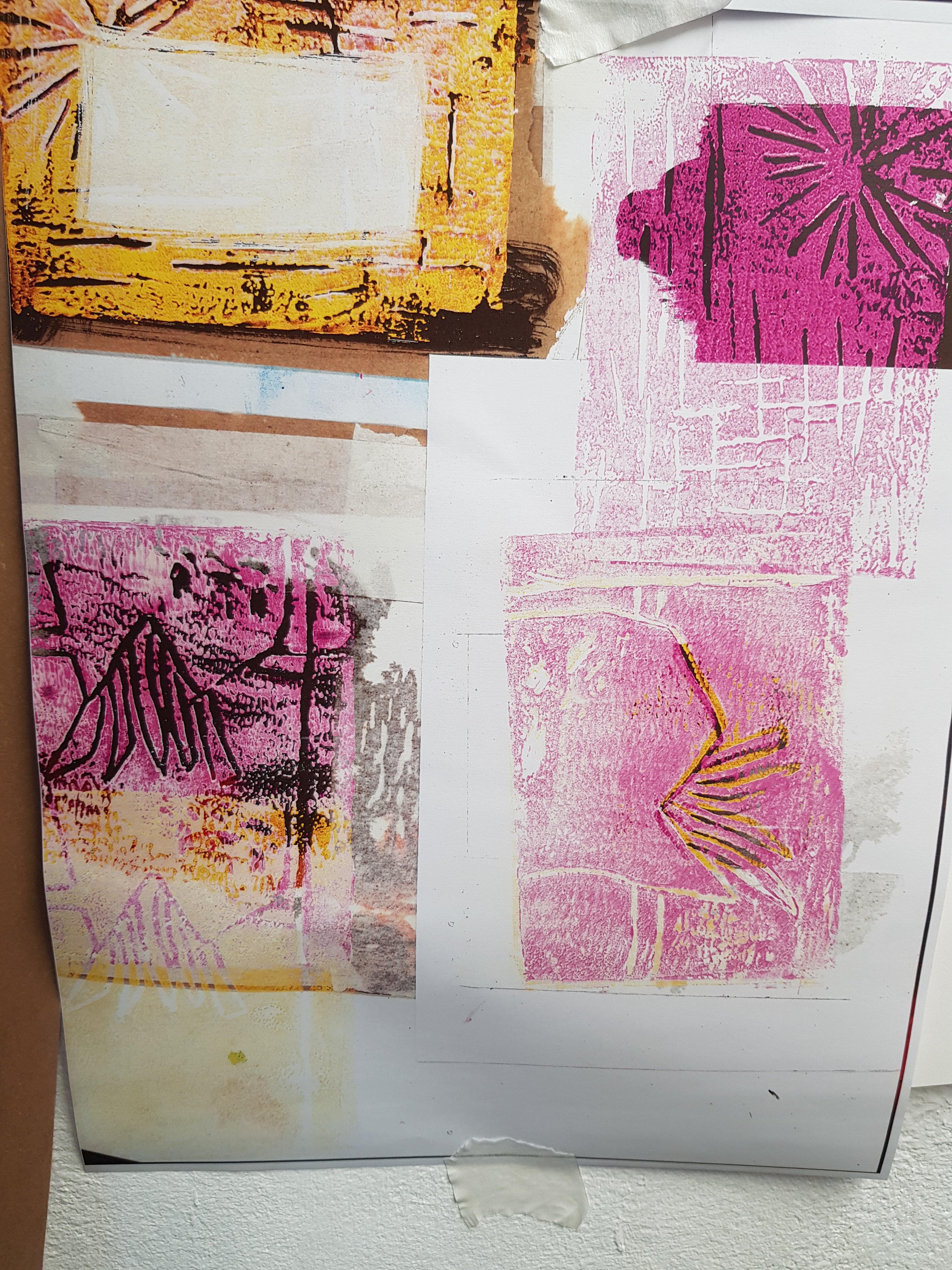
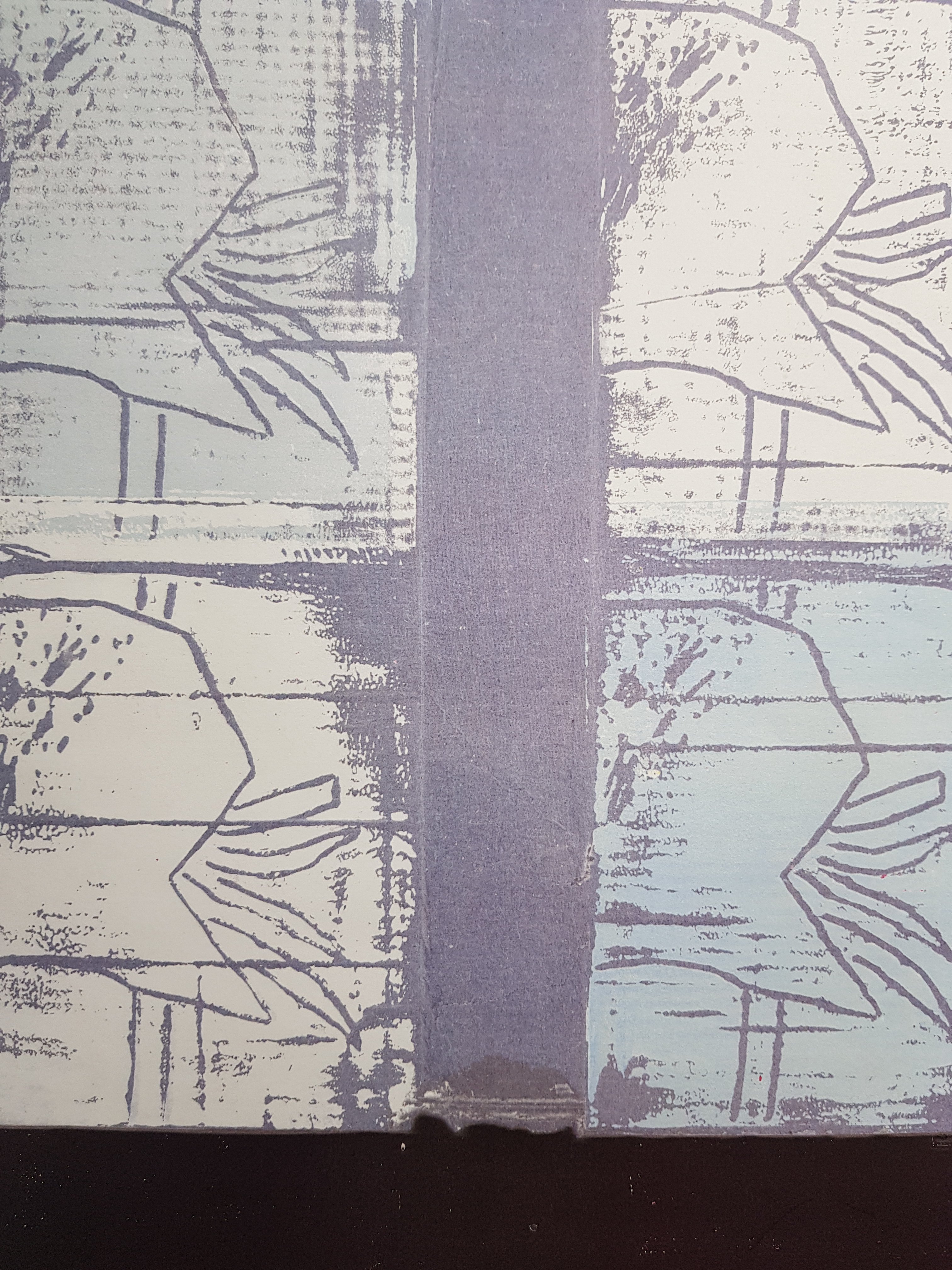
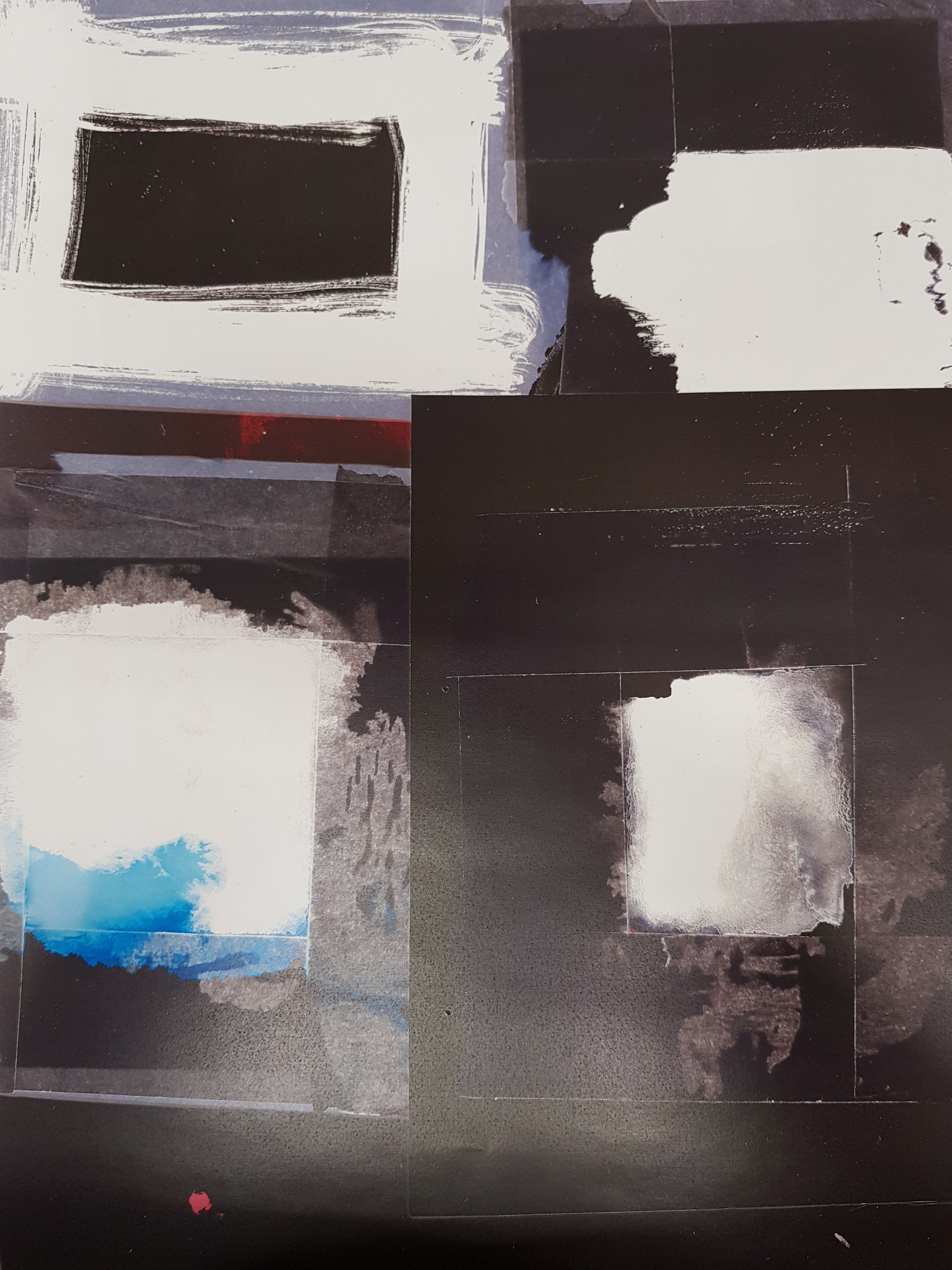
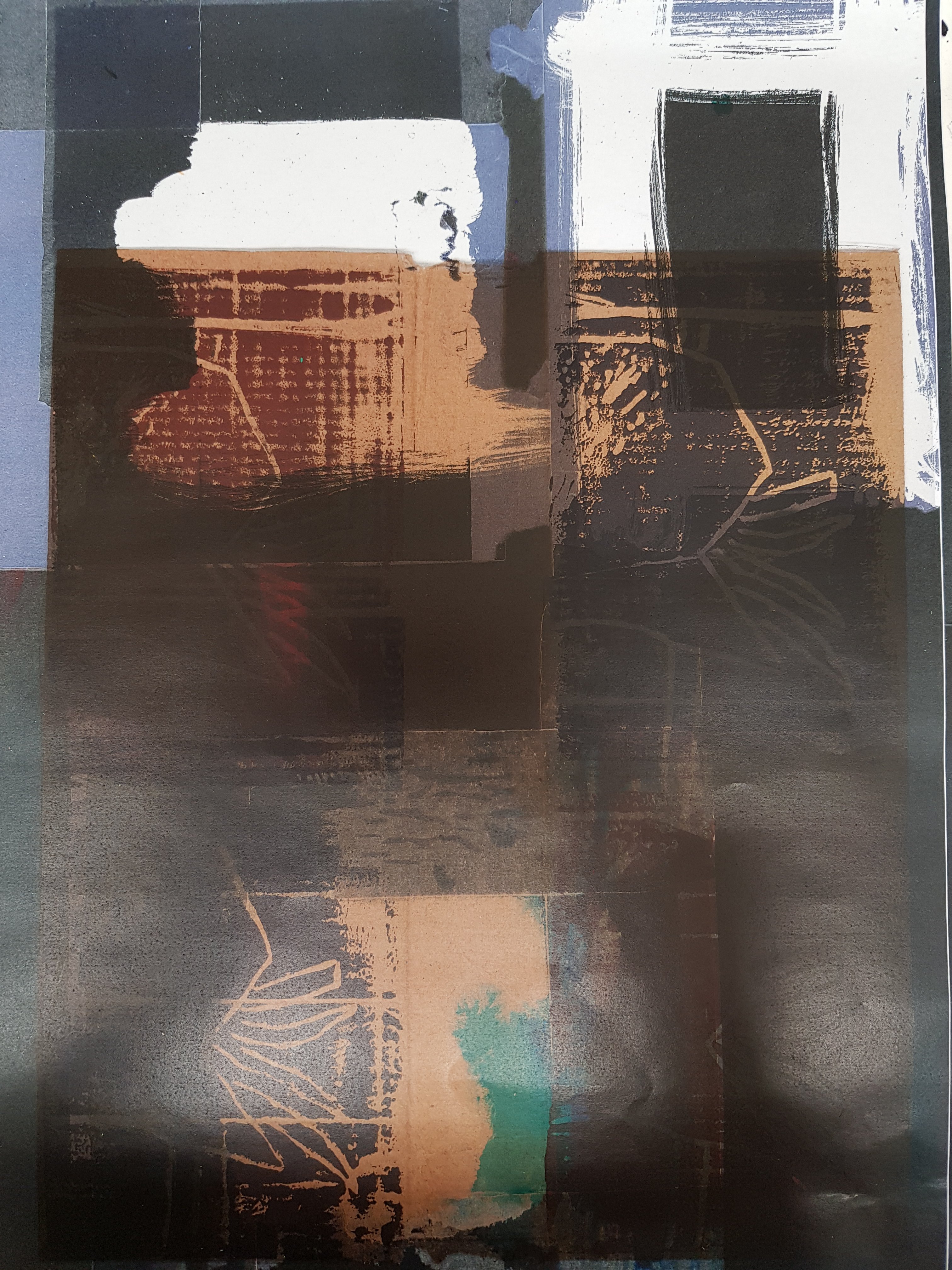
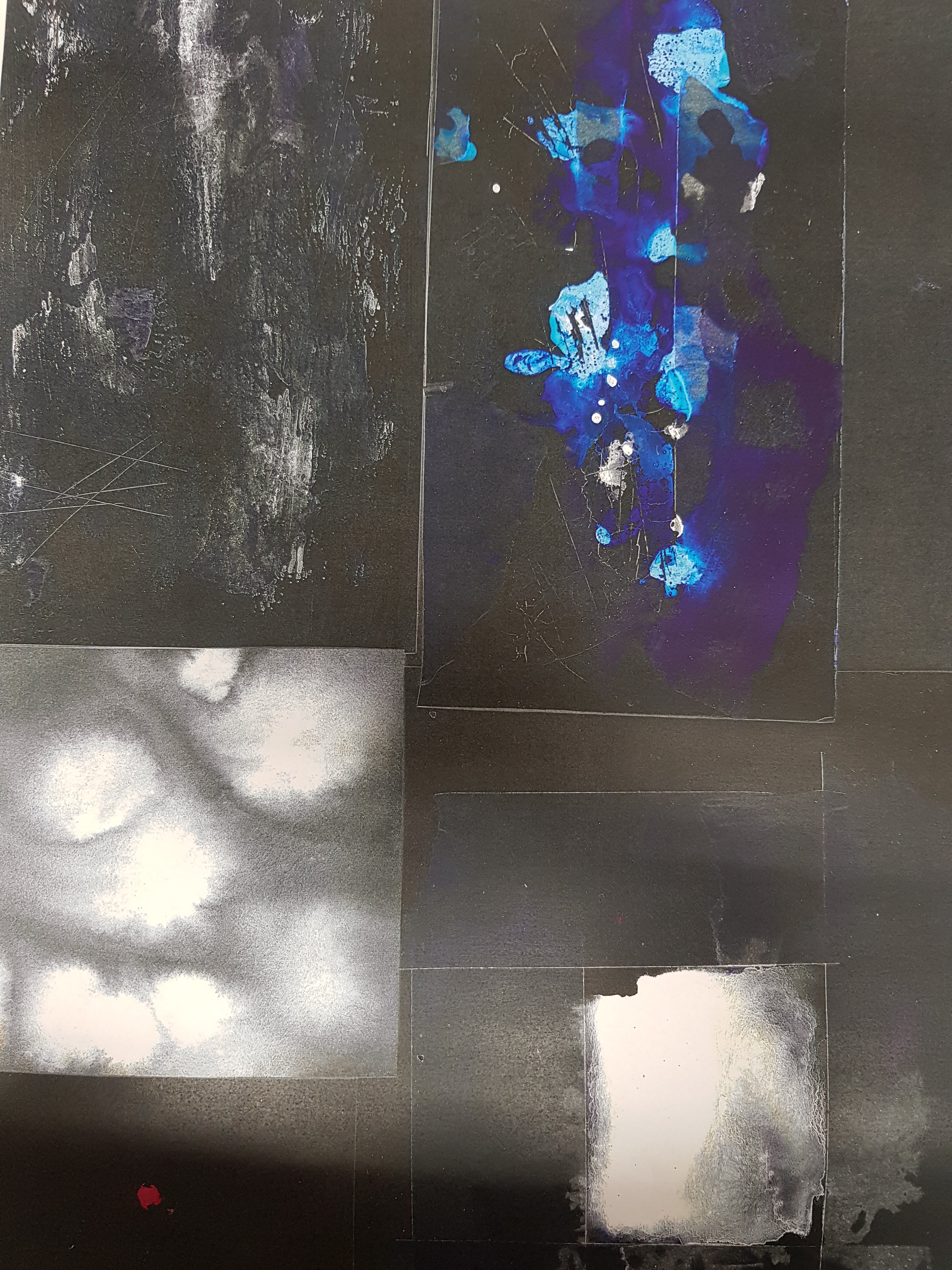
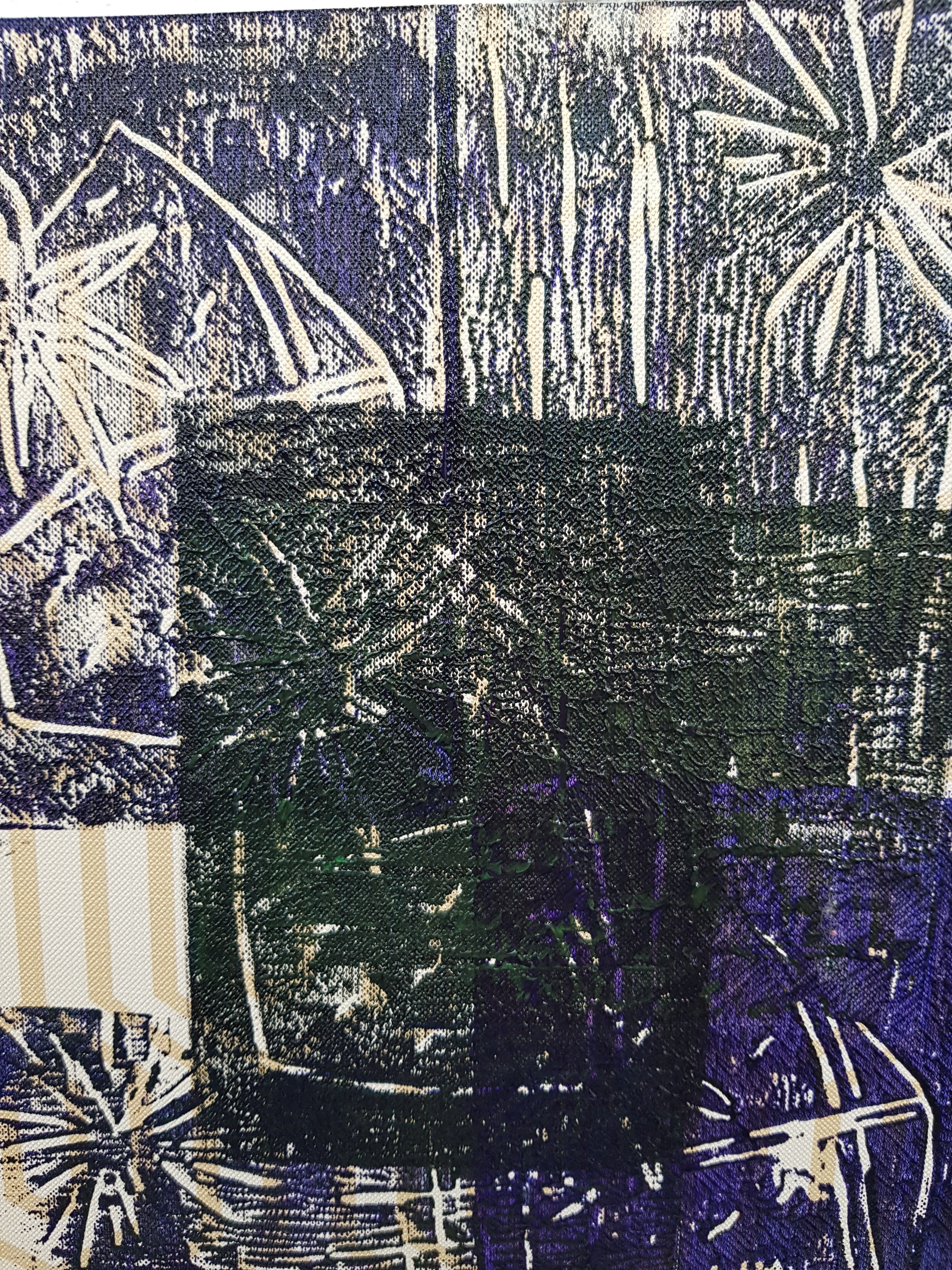
Some experimentation printing and painting onto photocopies then photocopying again to create a series of layers.I really like the way the texture of the cardboard has come through on one of the photocopies and also the unpredictable nature of reversing the colours and you can never quite predict how they will turn out.

#daytoday 2D

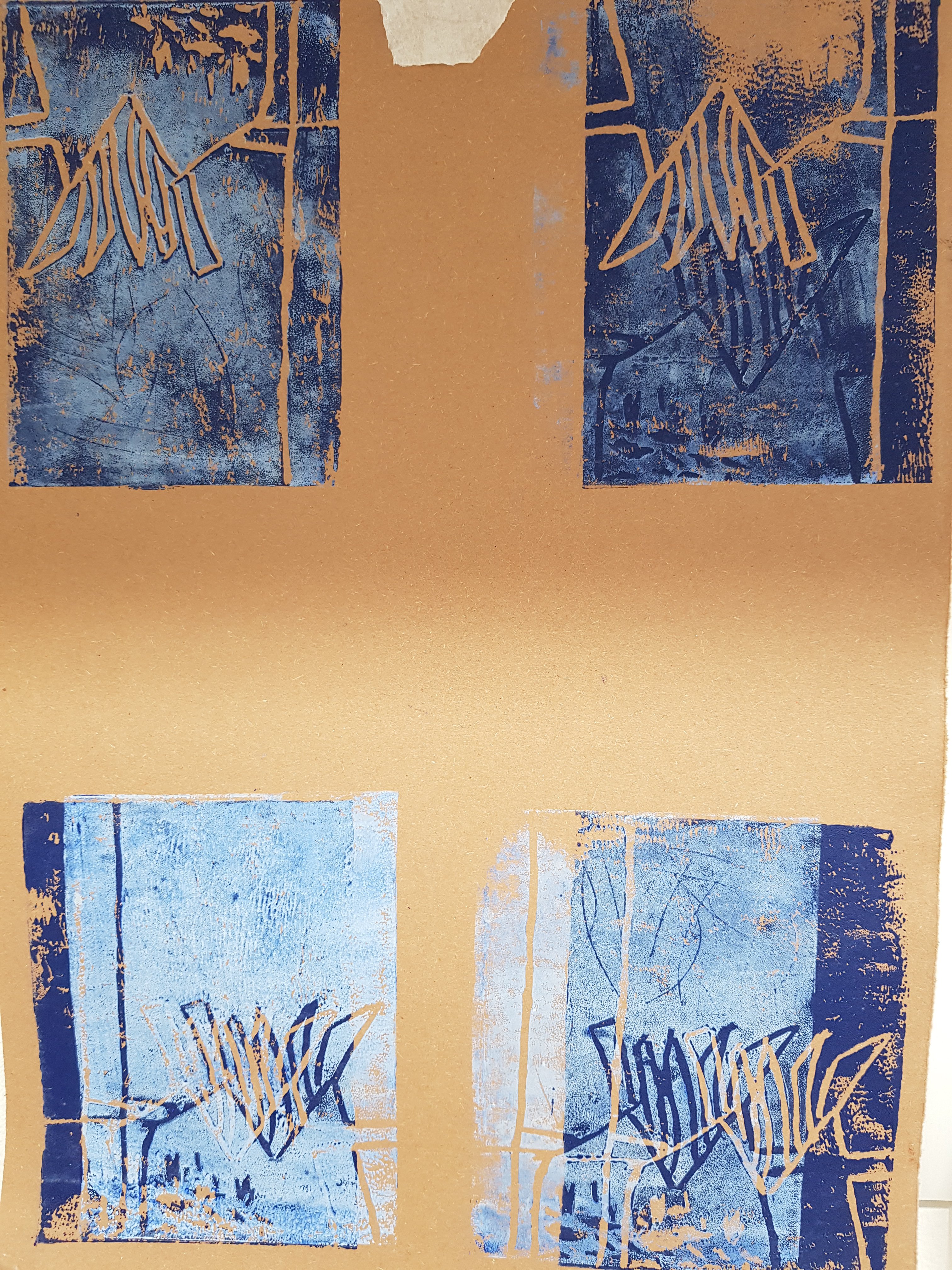
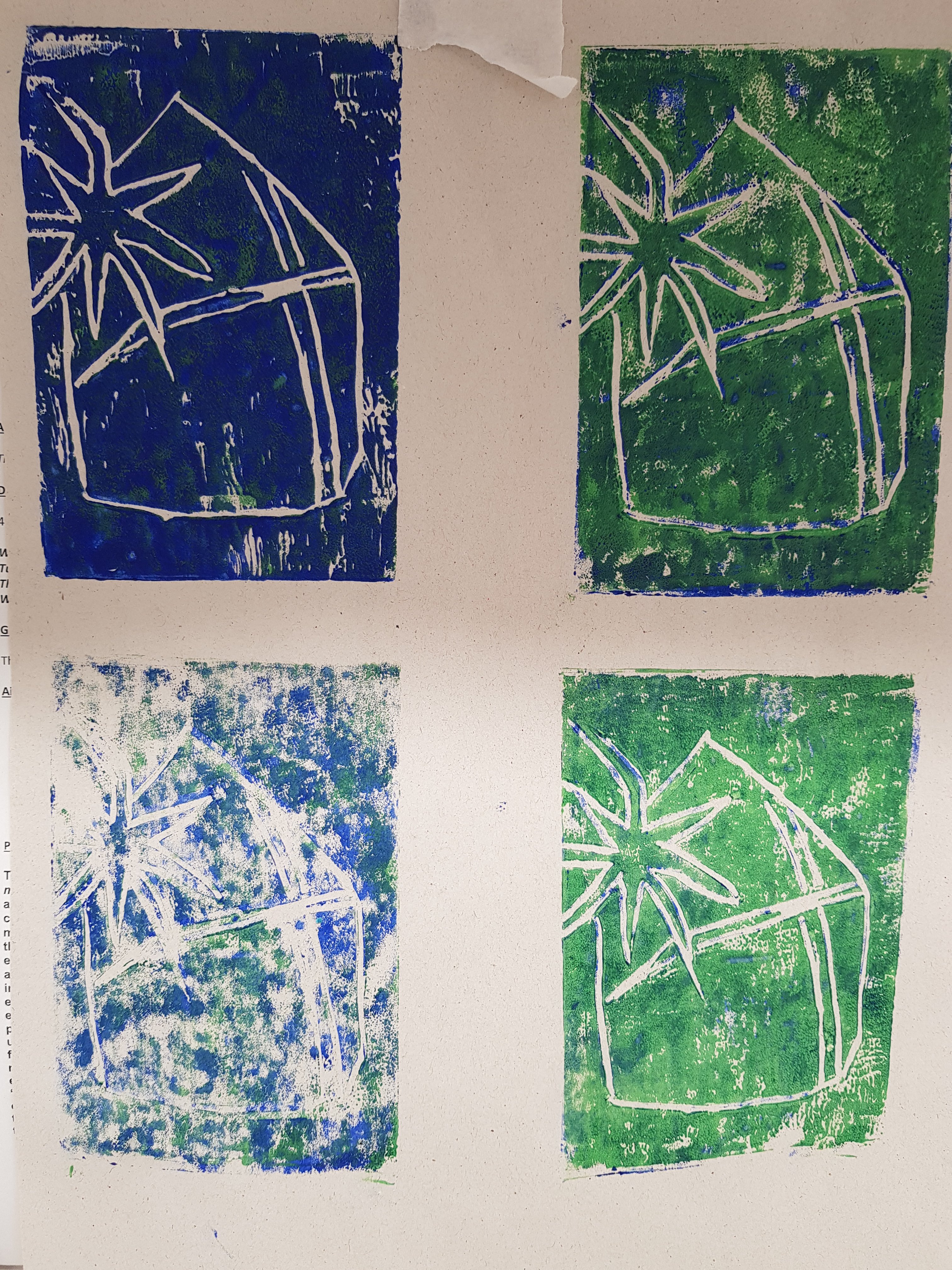
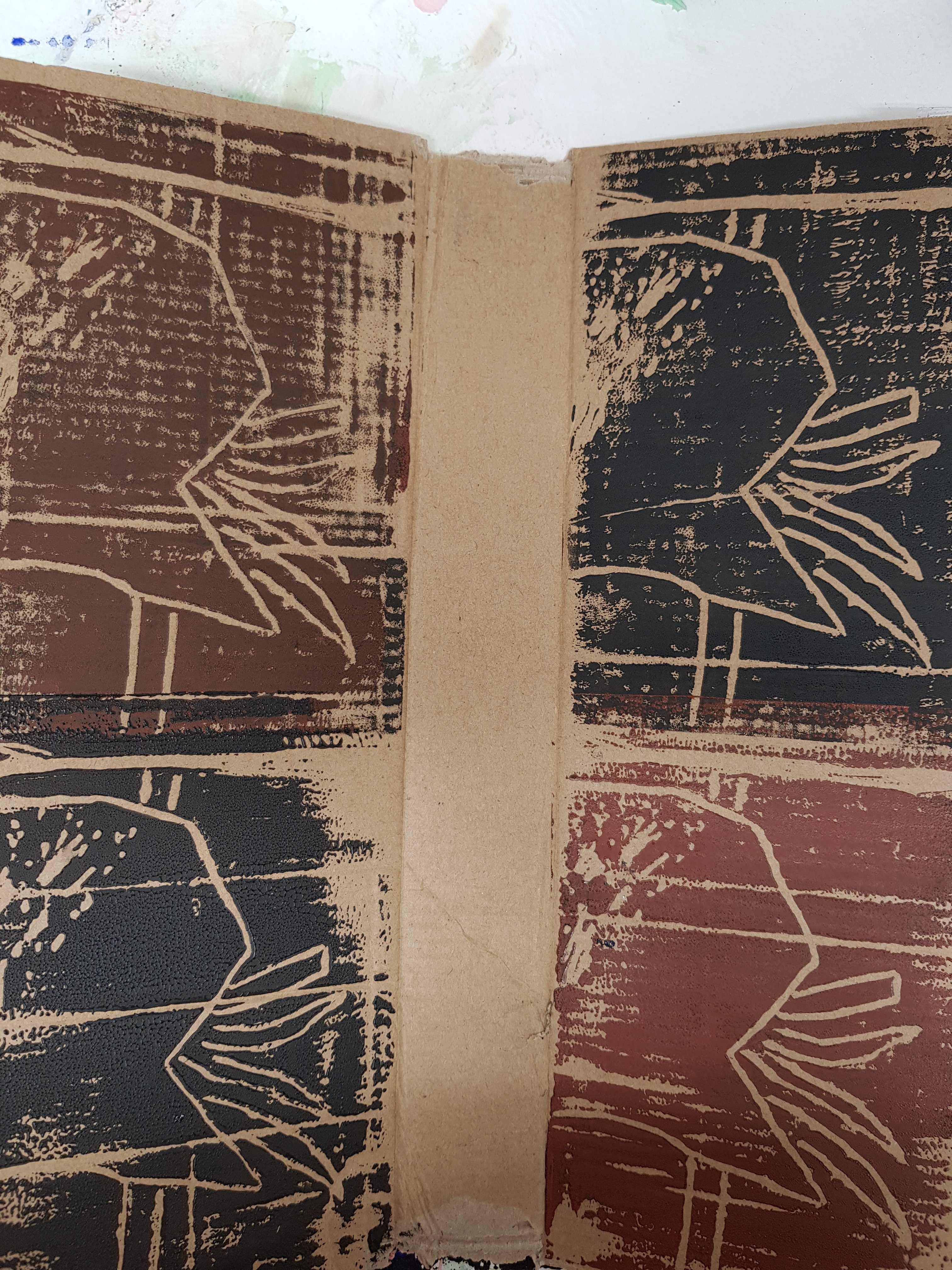
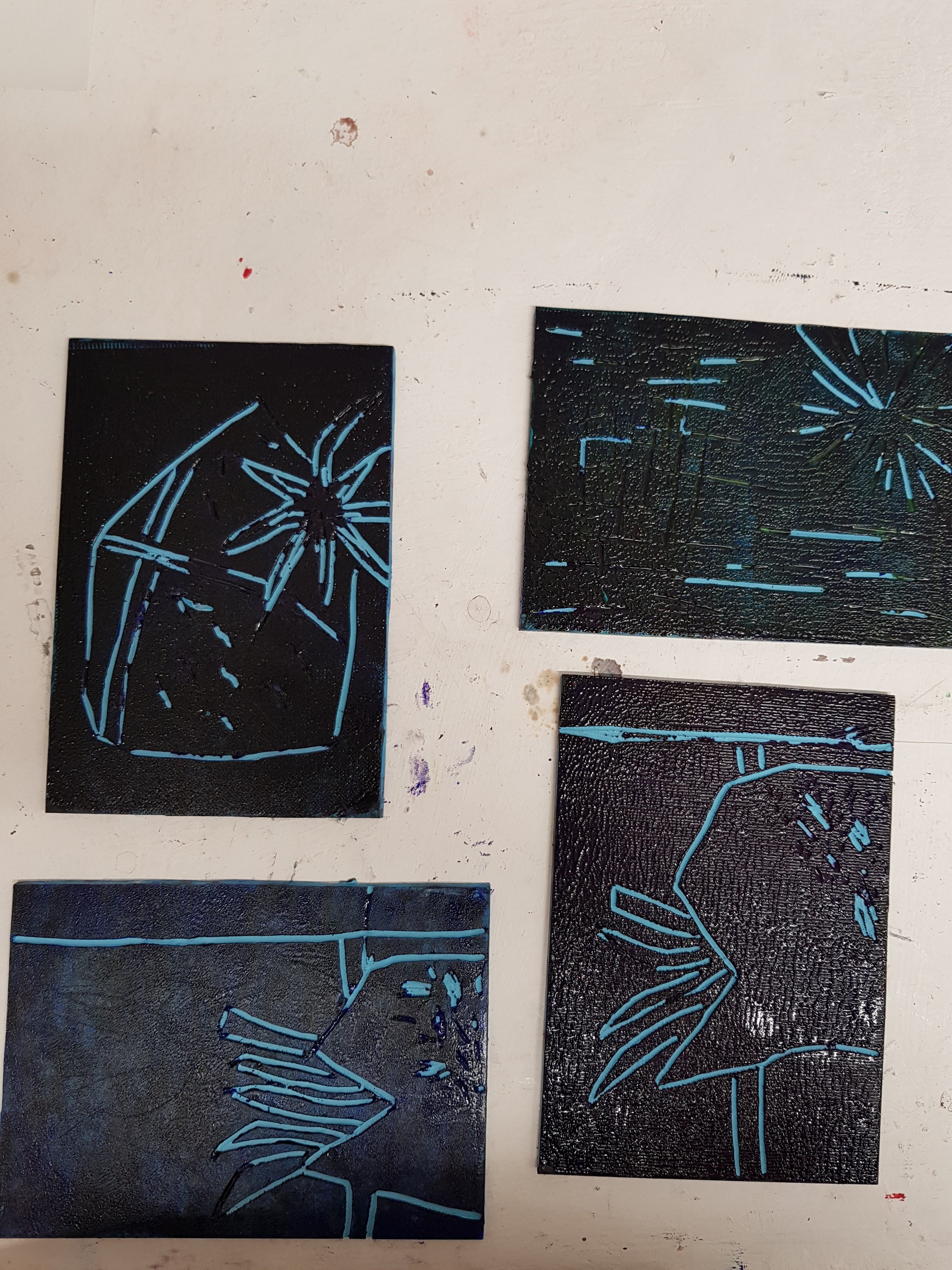
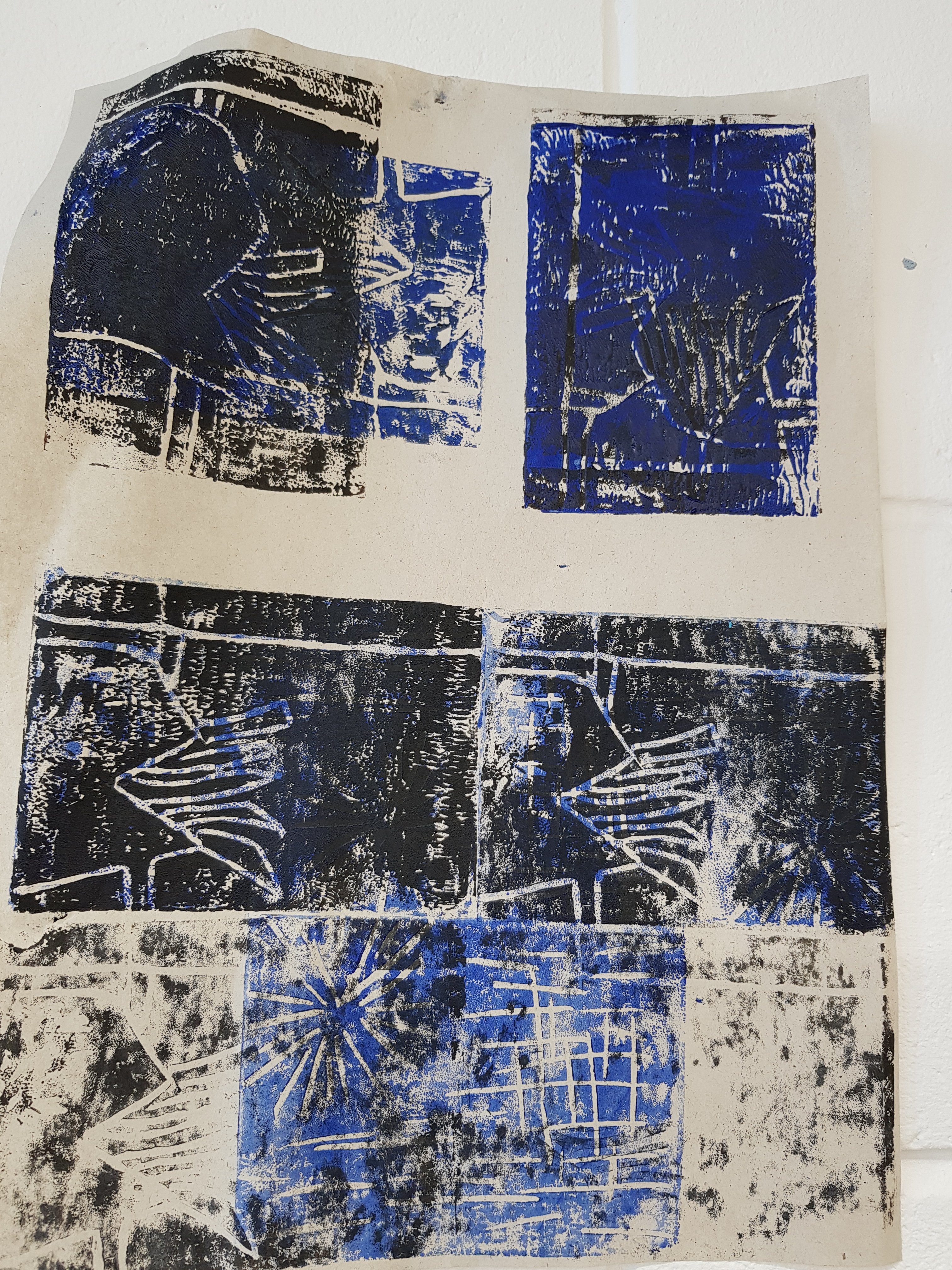
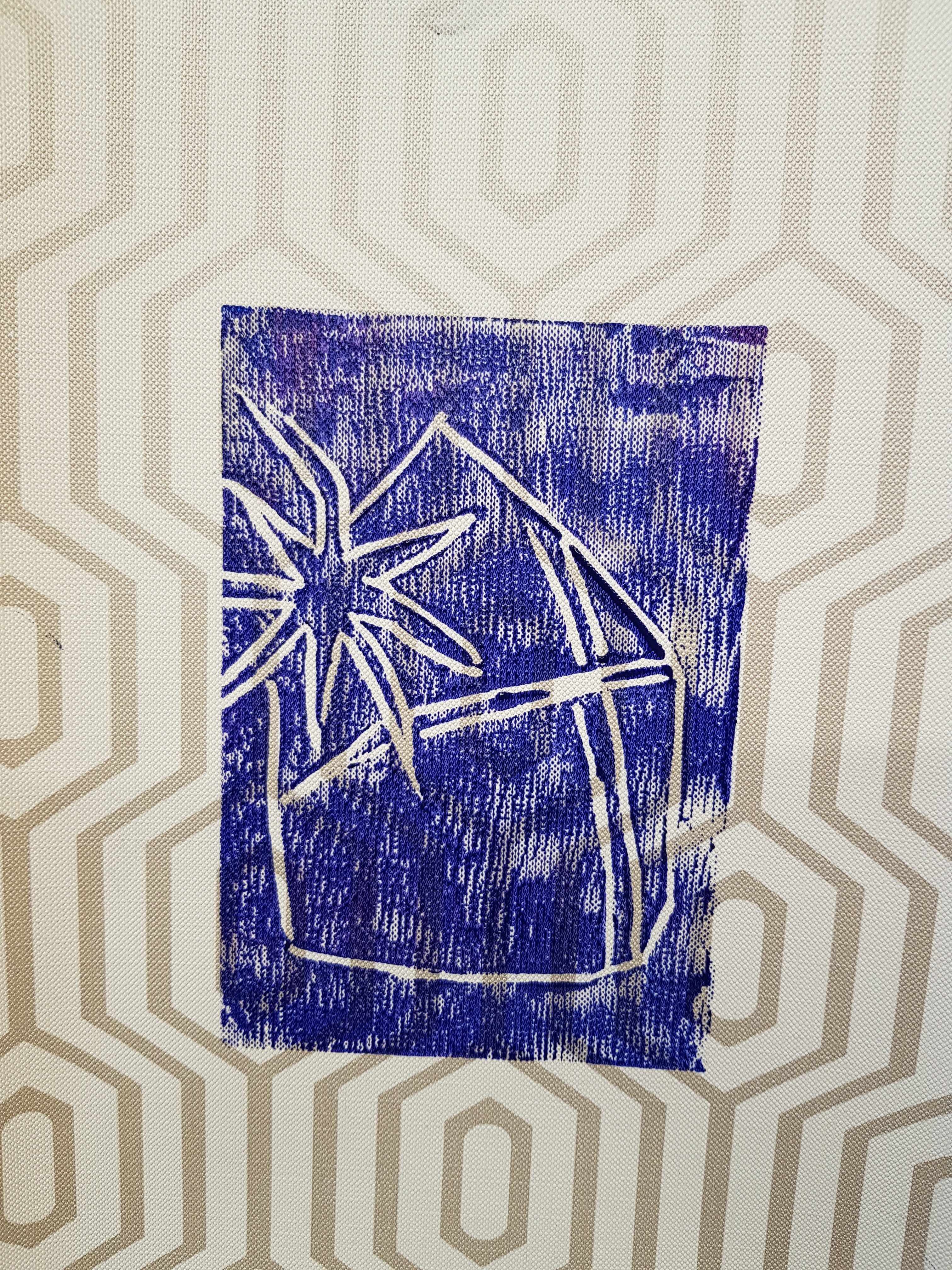
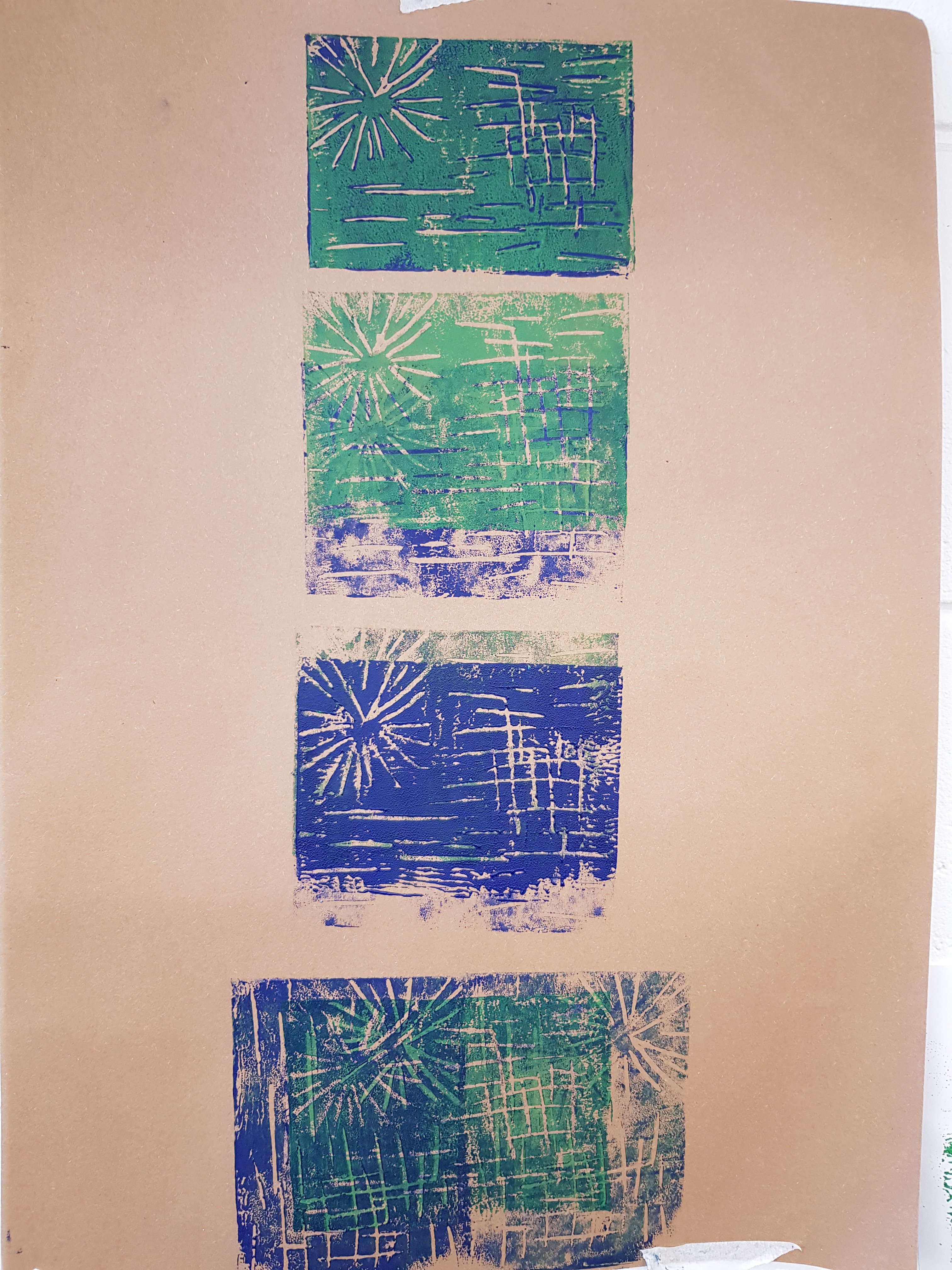
Today I experimented with lino printing and mono printing trying

different techniques etc.I tried to not be too precious so that my work could move more freely and therefore produce much more exciting results.